PURAN PATRIKA
A Bideshi Project

55 Years Since the Concert for Bangladesh
On August 1, 1971, two shows at Madison Square Garden made the struggle for Bangladesh visible to the West. A look at what made them possible and what they accomplished.
READ MOREPuran Patrika
A Bideshi Project
55 Years Since the Concert for Bangladesh
On August 1, 1971, two shows at Madison Square Garden made the struggle for Bangladesh visible to the West. A look at what made them possible and what they accomplished.
READ MORE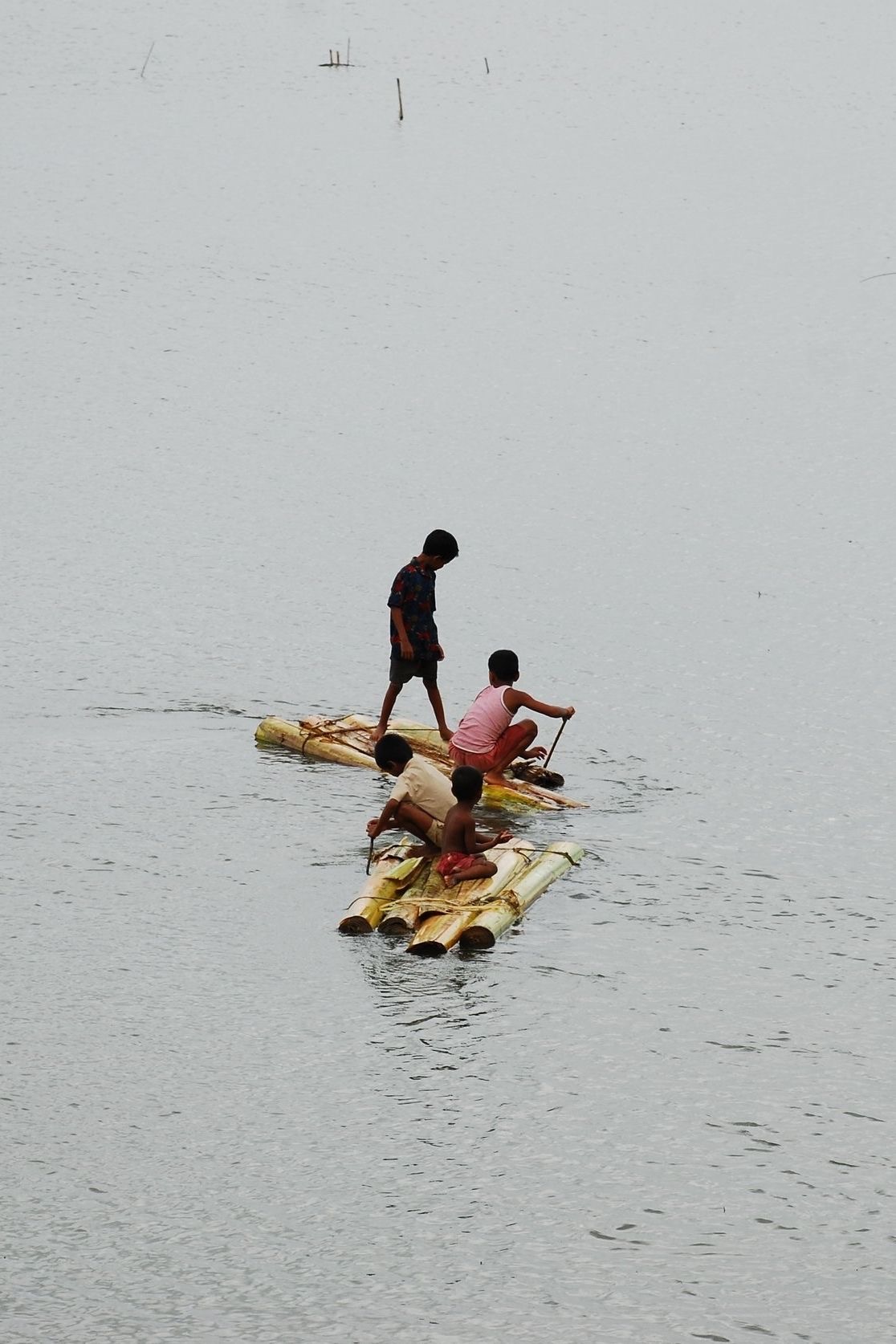
Bangladesh and its Floods
We explain the current flooding and what lies ahead.
READ MORE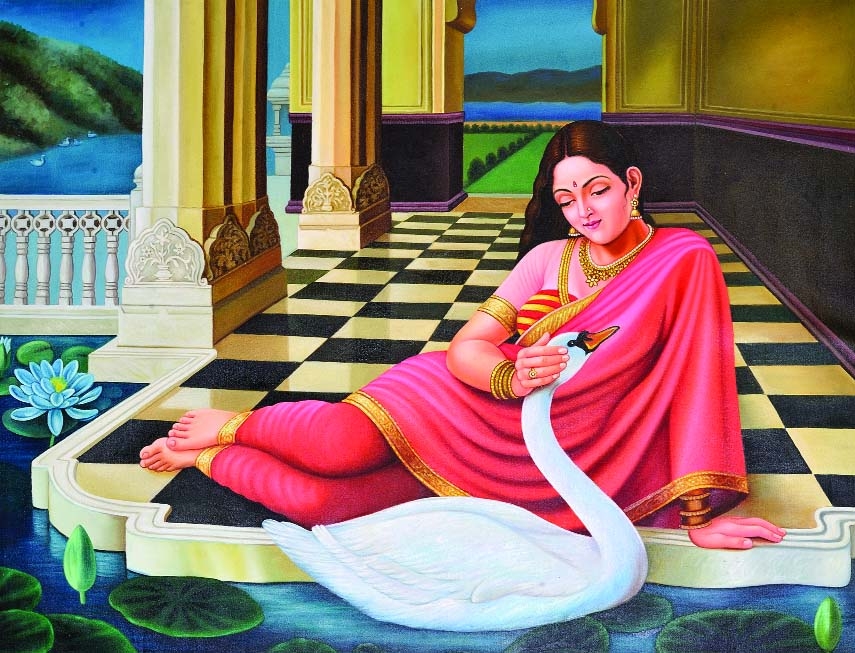
Khona and Her Parables
Khona, a legendary Bengali poet and astrologer believed to have lived in the 6th century CE, remains an enigmatic figure whose existence is documented only through oral tradition and folk legends rather than historical records. Though various myths surround her origins—from being a Sri Lankan princess to a child raised by Bengal's aboriginal peoples—most accounts agree she was the daughter-in-law of the famous astrologer Varahamihira and possessed extraordinary knowledge of agriculture, astronomy, and mathematics. Her parables, numbering possibly 150,000 and passed down orally through generations, provided scientifically sound advice on farming, weather prediction, health, and nutrition that remains relevant to Bengali agricultural life today. Tragically, legend says her wisdom threatened the patriarchal establishment, leading either her father-in-law or King Vikramaditya to have her tongue cut out, silencing her voice but not her legacy. Scholars interpret her violent silencing as reflecting intersecting oppressions of caste, class, and gender—a brilliant non-Brahmin woman sharing sacred knowledge with common farmers, challenging both religious hierarchy and male authority in ancient South Asian society.
READ MOREBangladesh and its Floods
We explain the current flooding and what lies ahead.
READ MOREKhona and Her Parables
Khona, a legendary Bengali poet and astrologer believed to have lived in the 6th century CE, remains an enigmatic figure whose existence is documented only through oral tradition and folk legends rather than historical records. Though various myths surround her origins—from being a Sri Lankan princess to a child raised by Bengal's aboriginal peoples—most accounts agree she was the daughter-in-law of the famous astrologer Varahamihira and possessed extraordinary knowledge of agriculture, astronomy, and mathematics. Her parables, numbering possibly 150,000 and passed down orally through generations, provided scientifically sound advice on farming, weather prediction, health, and nutrition that remains relevant to Bengali agricultural life today. Tragically, legend says her wisdom threatened the patriarchal establishment, leading either her father-in-law or King Vikramaditya to have her tongue cut out, silencing her voice but not her legacy. Scholars interpret her violent silencing as reflecting intersecting oppressions of caste, class, and gender—a brilliant non-Brahmin woman sharing sacred knowledge with common farmers, challenging both religious hierarchy and male authority in ancient South Asian society.
READ MORE
Mughlai Paratha
Mughlai paratha, a stuffed and fried flatbread rich with spices and fillings, emerged from the imperial kitchens of the Mughal Empire and became a beloved street food across Bangladesh and West Bengal. Legend traces its creation to the 1600s when Emperor Jahangir's cook Adil Hafiz Usman invented the dish—possibly influenced by Turkish gözleme—and was rewarded with gold coins and land for his culinary innovation. The recipe remained a family secret for generations before spreading across Bengal during the British Raj, with Mughal influence making Dhaka's cuisine distinctively less spicy than rural Bangladeshi food. Today, the paratha comes in multiple variations including classic egg, keema (minced meat), paneer, and chicken, typically served deep-fried with tangy condiments like ketchup, onions, and potato curry. This layered delicacy remains especially popular during Ramadan and Durga Puja, though it's enjoyed year-round as both street food and festive fare throughout South Asia.
READ MORE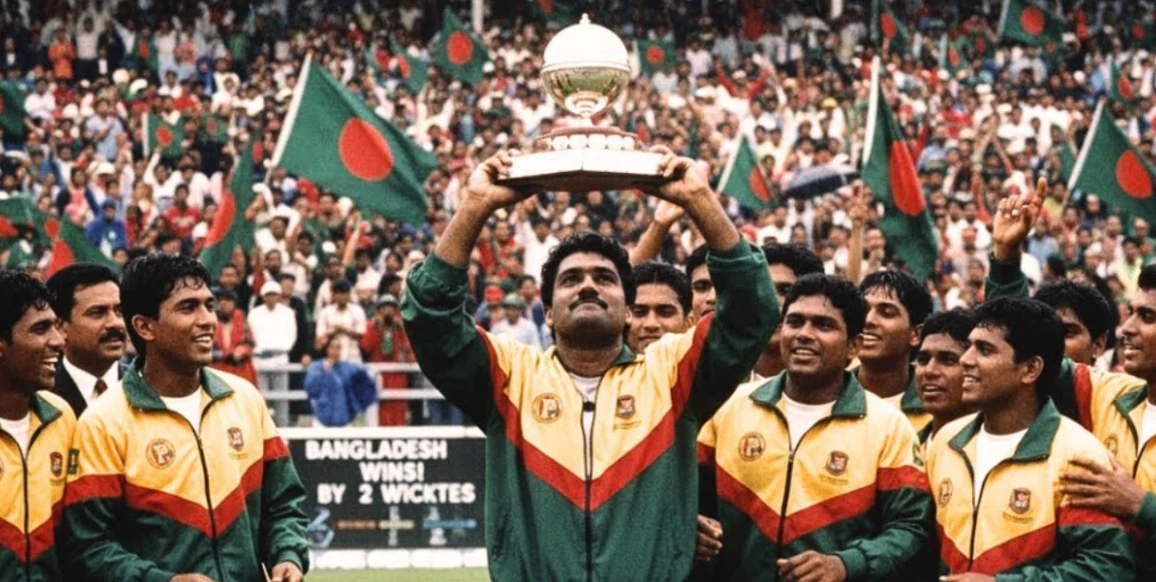
Bangladesh at the Olympics
Bangladesh's Olympic history reflects how colonialism, oppression, and natural disasters have systematically hindered athletic achievement in what is now the world's largest nation without an Olympic medal. Under British India and later Pakistan, structural discrimination meant that no athletes from the Bengali region ever medaled, despite talents like swimmer Brojen Das—the first Asian to swim the English Channel—emerging from East Pakistan. After independence in 1971, devastating cyclones in 1988 and 1991 diverted critical resources from sports development and left lasting nutritional and educational deficits in the generation that should have peaked athletically in the late 1990s and early 2000s. Recent breakthroughs in archery and golf have produced Bangladesh's first direct Olympic qualifiers rather than wildcard entries, with young archers like 18-year-old Sagor Islam—who practiced with bamboo sticks as a child—representing hope for future success. The nation's Olympic journey demonstrates how sport, far from being purely meritocratic, remains deeply shaped by historical inequities and ongoing socioeconomic challenges.
READ MORE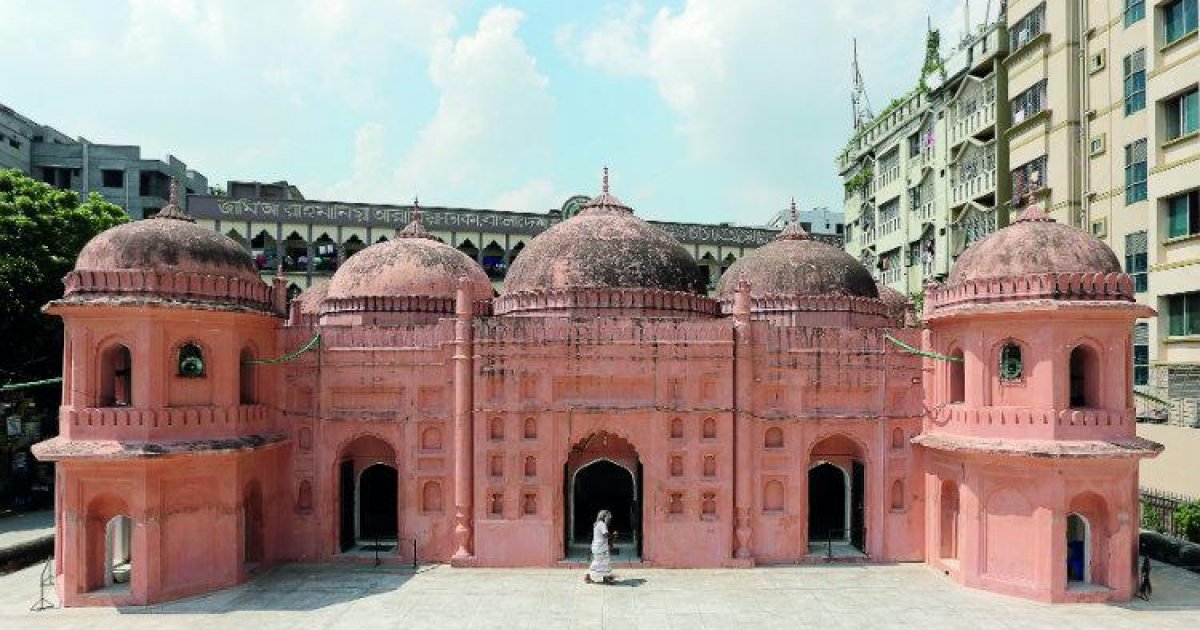
Bengal Subah Architectural Influence
During the 17th century, the Bengal Subah—the Mughal provincial empire centered in Dhaka—became a unique architectural laboratory where imperial design principles adapted to the challenges of a delta landscape. Rather than replicating the stone monuments of Delhi or Agra, Mughal architects in Bengal used local brick and lime plaster, creating structures like Lalbagh Fort and the Sat Gambuj Mosque that balanced grand aesthetic ideals with the practical demands of monsoons and shifting rivers. Strategic river forts such as Hajiganj, Sonakanda, and Idrakpur emerged along waterways to protect trade routes, embodying a fusion of Mughal defense strategy and regional building materials. The architectural vocabulary developed during this period—characterized by domed roofs, brick walls, and ventilated courtyards—continued to influence local builders long after Mughal authority waned, as evidenced by inscriptions found in towns like Greater Cumilla. This legacy represents a profound cultural dialogue where imperial vision and Bengali landscape merged to create an enduring architectural identity rooted in adaptation, elegance, and community needs.
READ MORE
Mughlai Paratha
Mughlai paratha, a stuffed and fried flatbread rich with spices and fillings, emerged from the imperial kitchens of the Mughal Empire and became a beloved street food across Bangladesh and West Bengal. Legend traces its creation to the 1600s when Emperor Jahangir's cook Adil Hafiz Usman invented the dish—possibly influenced by Turkish gözleme—and was rewarded with gold coins and land for his culinary innovation. The recipe remained a family secret for generations before spreading across Bengal during the British Raj, with Mughal influence making Dhaka's cuisine distinctively less spicy than rural Bangladeshi food. Today, the paratha comes in multiple variations including classic egg, keema (minced meat), paneer, and chicken, typically served deep-fried with tangy condiments like ketchup, onions, and potato curry. This layered delicacy remains especially popular during Ramadan and Durga Puja, though it's enjoyed year-round as both street food and festive fare throughout South Asia.
READ MOREBangladesh at the Olympics
Bangladesh's Olympic history reflects how colonialism, oppression, and natural disasters have systematically hindered athletic achievement in what is now the world's largest nation without an Olympic medal. Under British India and later Pakistan, structural discrimination meant that no athletes from the Bengali region ever medaled, despite talents like swimmer Brojen Das—the first Asian to swim the English Channel—emerging from East Pakistan. After independence in 1971, devastating cyclones in 1988 and 1991 diverted critical resources from sports development and left lasting nutritional and educational deficits in the generation that should have peaked athletically in the late 1990s and early 2000s. Recent breakthroughs in archery and golf have produced Bangladesh's first direct Olympic qualifiers rather than wildcard entries, with young archers like 18-year-old Sagor Islam—who practiced with bamboo sticks as a child—representing hope for future success. The nation's Olympic journey demonstrates how sport, far from being purely meritocratic, remains deeply shaped by historical inequities and ongoing socioeconomic challenges.
READ MOREBengal Subah Architectural Influence
During the 17th century, the Bengal Subah—the Mughal provincial empire centered in Dhaka—became a unique architectural laboratory where imperial design principles adapted to the challenges of a delta landscape. Rather than replicating the stone monuments of Delhi or Agra, Mughal architects in Bengal used local brick and lime plaster, creating structures like Lalbagh Fort and the Sat Gambuj Mosque that balanced grand aesthetic ideals with the practical demands of monsoons and shifting rivers. Strategic river forts such as Hajiganj, Sonakanda, and Idrakpur emerged along waterways to protect trade routes, embodying a fusion of Mughal defense strategy and regional building materials. The architectural vocabulary developed during this period—characterized by domed roofs, brick walls, and ventilated courtyards—continued to influence local builders long after Mughal authority waned, as evidenced by inscriptions found in towns like Greater Cumilla. This legacy represents a profound cultural dialogue where imperial vision and Bengali landscape merged to create an enduring architectural identity rooted in adaptation, elegance, and community needs.
READ MORE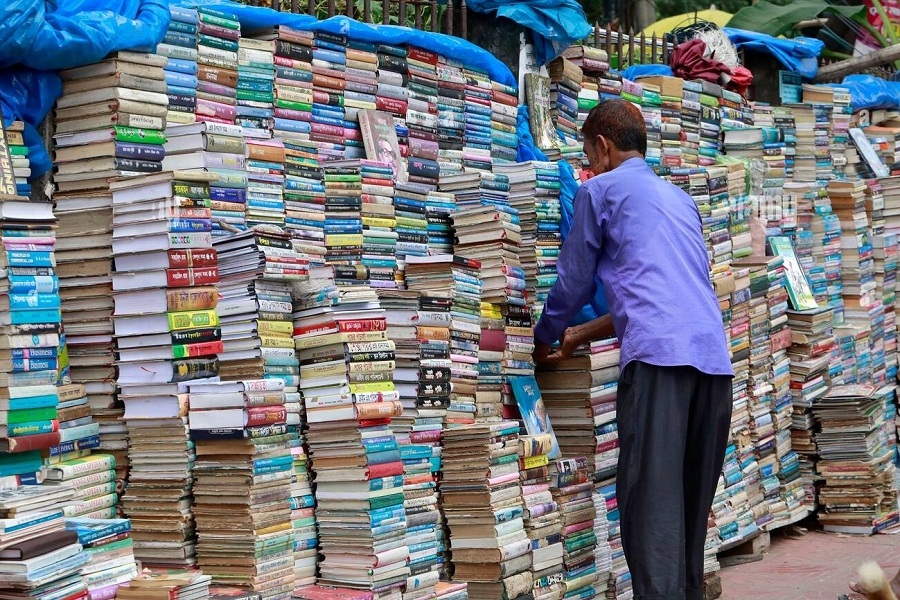
What You Are Looking For Is In Nilkhet
Nilkhet, Dhaka's iconic book market, derives its name from the indigo fields ("Nil" meaning blue, "Khet" meaning field) that once occupied the area during British colonial rule, when the region housed numerous indigo plantations until 1847. The market evolved gradually from abandoned indigo fields to a racecourse stable, then a settlement, before street vendors began selling books from baskets around 1974, eventually transforming into Bangladesh's largest book market by the 1990s. Strategically located at the heart of Dhaka's educational zone—within easy reach of the University of Dhaka, BUET, medical colleges, and countless schools—Nilkhet became an indispensable academic hub offering not just books but comprehensive services including printing, binding, photocopying, and stationery. During the COVID-19 pandemic, the market demonstrated remarkable adaptability by pivoting to digital platforms and courier services, expanding its reach beyond Dhaka to serve students across Bangladesh. Today, Nilkhet faces an ethical crossroads between its democratic mission of providing affordable knowledge through used and discounted books and the problematic proliferation of pirated copies that undermine authors and publishers.
READ MORE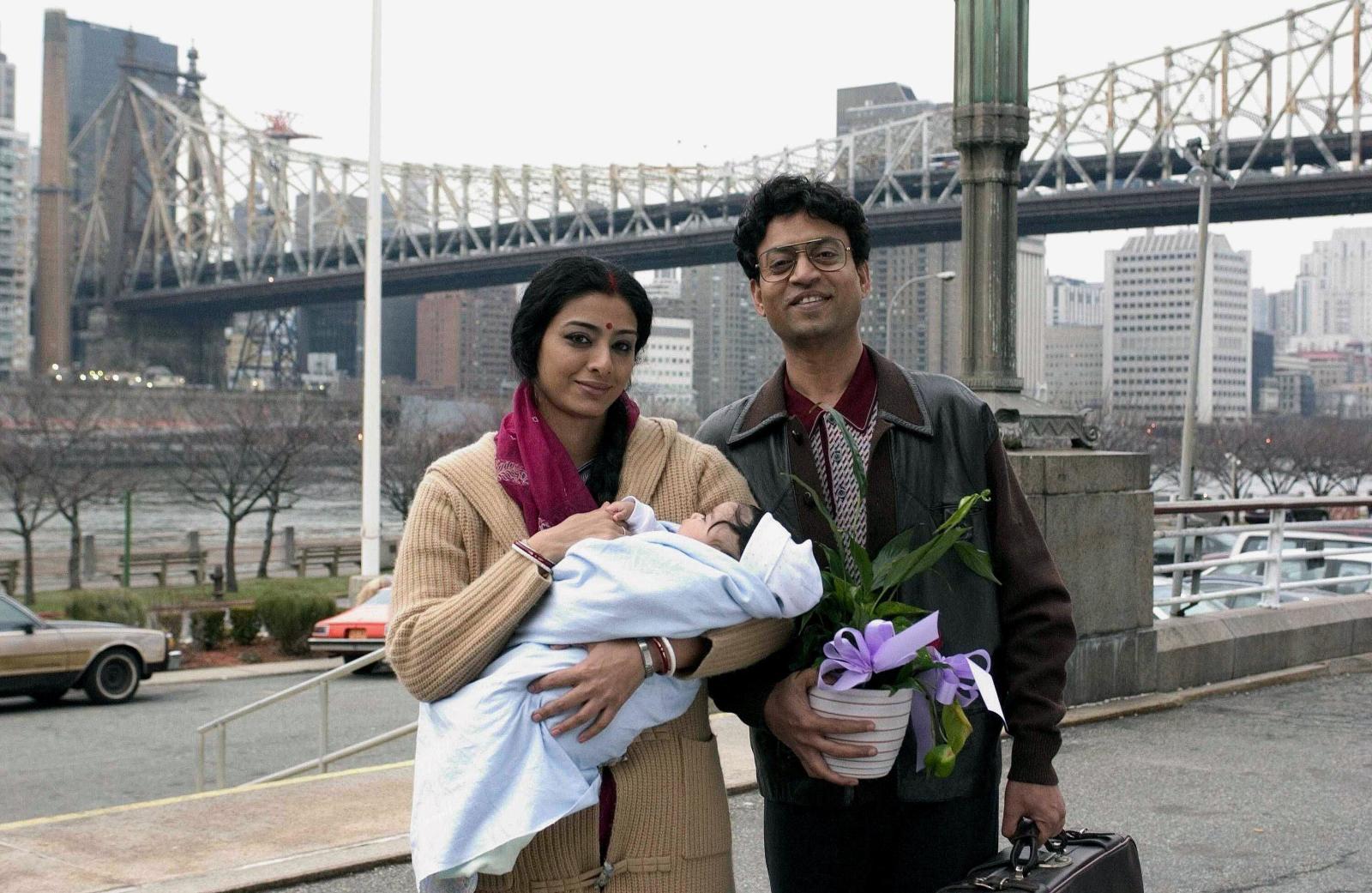
Bengali Daknam
In Bengali culture, every person carries two names: the *bhalo nam*, or "good name," designed for the outside world of institutions and records, and the *dak nam*, or "calling name," reserved for the intimate spaces of home and family. The bhalo nam bears the weight of history, shaped in part by British colonial bureaucracy that compressed surnames like Bandyopadhyay into Banerjee to satisfy administrative demands for standardized, "pronounceable" names. The dak nam, by contrast, never submitted to those pressures — existing only in spoken form, it stayed hidden within households, shielded from the mispronunciations and anglicizations that distorted its counterpart. Far more than a simple nickname, the dak nam represents a deliberate act of cultural preservation, a name that protects identity precisely by refusing to be written down or made legible to strangers. Together, the two names teach a deeper lesson about navigating between public and private selves — a form of code-switching that, especially in the diaspora, becomes both a practical skill and a quiet reckoning with how much of oneself to make visible, and to whom.
READ MORE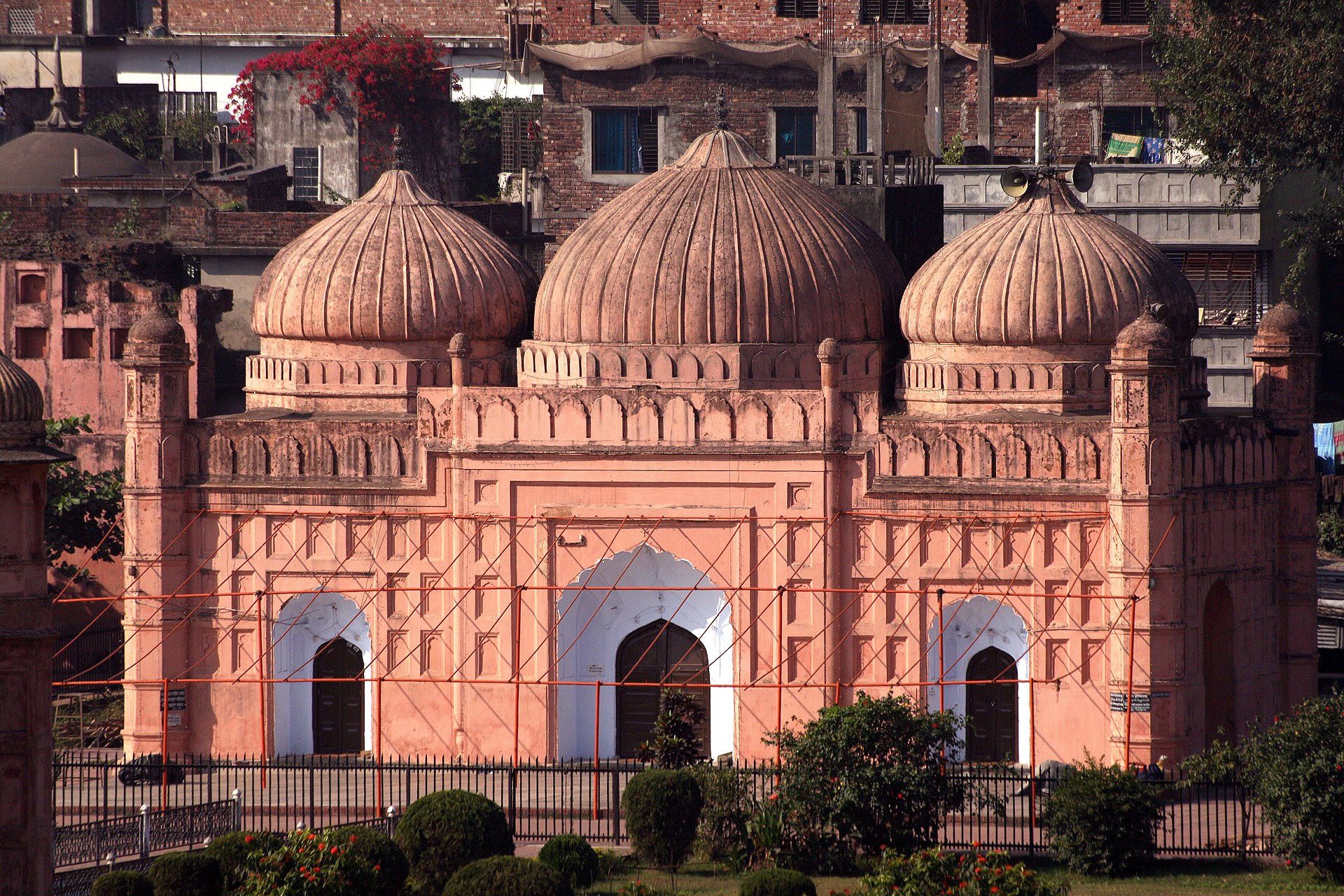
Lalbagh Fort Lore
Lalbagh Fort, or "Lalbagh Kella," rises from the heart of Old Dhaka as one of Bangladesh's most visited historic landmarks, drawing around three million visitors annually to its hauntingly unfinished walls. Construction began in 1678 under Mughal Prince Muhammad Azam Shah before being transferred to Governor Shaista Khan, whose tenure ended in abandonment following the sudden death of his beloved daughter, Pari Bibi — an event that has since become the source of enduring ghost lore, including tales of her spirit appearing under full moons. The fort's mysteries deepen further with its sealed underground tunnels, rumoured to have swallowed sepoys, elephants, and dogs during the 1857 rebellion, with folklore stretching their reach all the way to Delhi. Architecturally, the complex is a showcase of Mughal sophistication, featuring a marble and basalt mausoleum set within charbagh paradise gardens, a recently restored hammam with underground heating, a three-domed mosque still in active use, and a Diwan-i-Aam that once served as the nerve centre of Mughal governance in Bengal. What makes Lalbagh Fort truly singular is how its incompleteness has only deepened its resonance — a monument shaped as much by imperial ambition and personal grief as by the myths that have grown around it
READ MORE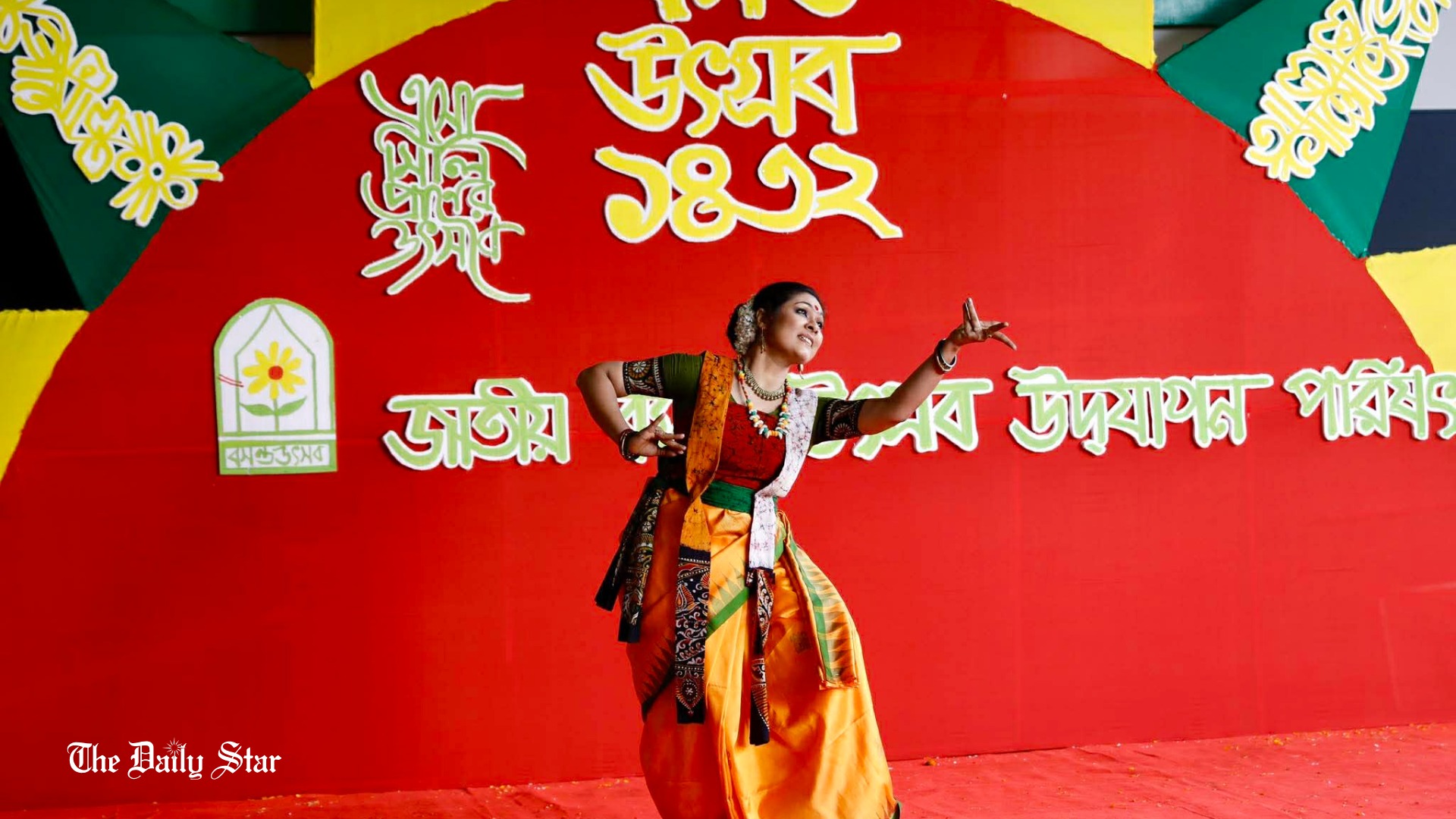
Pohela Falgun and the Arrival of Boshonto
Pohela Falgun marks the first day of spring in the Bengali calendar, celebrated across Bangladesh with vibrant displays of yellow, orange, and red clothing, flowers, and cultural performances. The Bengali calendar divides the year into six distinct seasons, with its modern form traced to Mughal Emperor Akbar's 16th-century administrative reforms that aligned tax collection with agricultural harvest cycles. What began in 1991 as an informal student celebration at Dhaka University's Faculty of Fine Arts has evolved into a nationwide cultural phenomenon, centered at locations like Bakultala and featuring music, dance, poetry, and colorful processions. Following a 2019 calendar reform, Pohela Falgun now falls on February 14th, creating a unique fusion with Valentine's Day that offers an indigenous celebration of love and renewal without commercial pressures. At its essence, Pohela Falgun represents anticipation and collective hope, a promise of warmth and rebirth even while winter's chill lingers.
READ MORE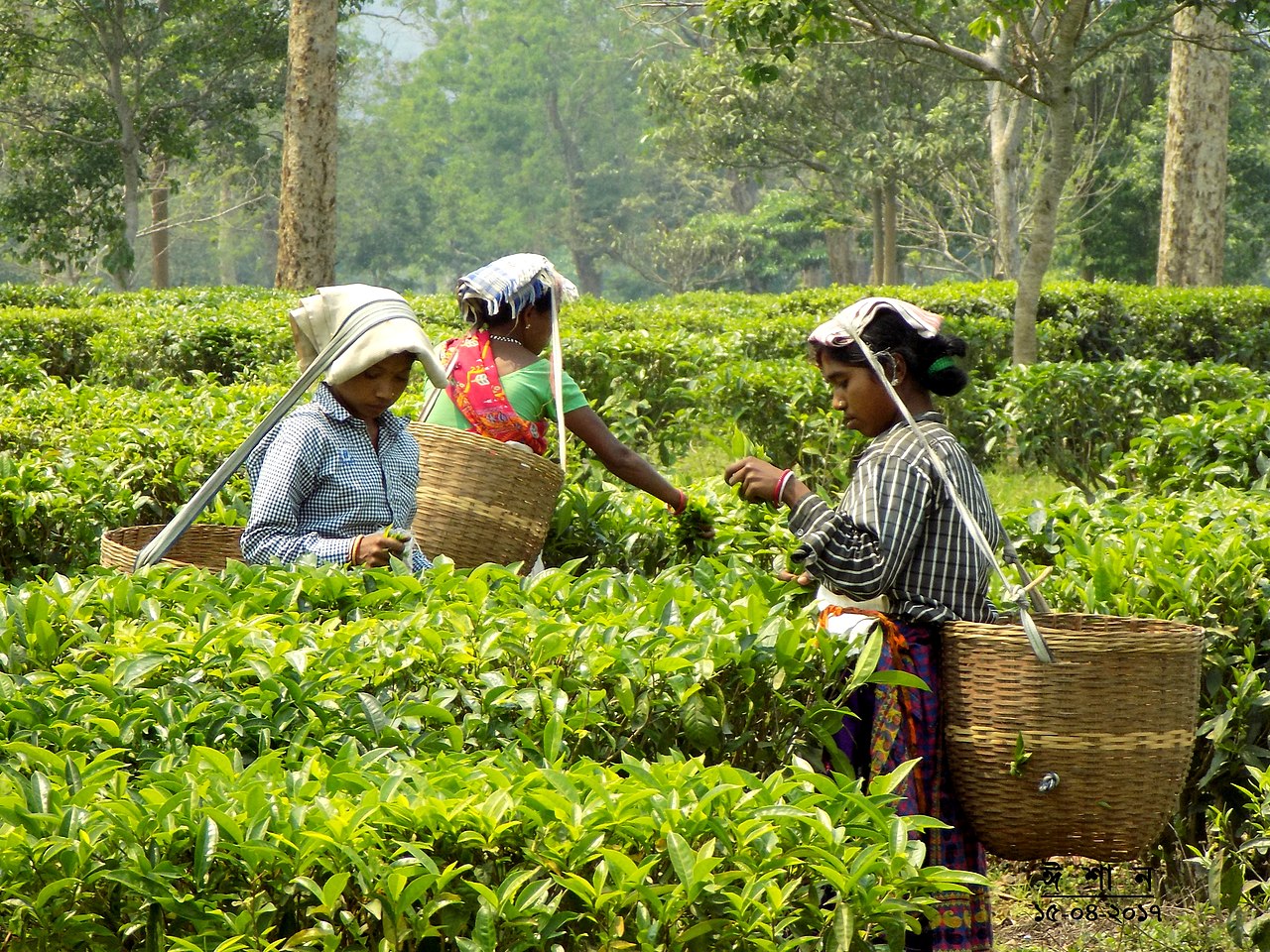
Behind the Tea Leaves: The Hidden Costs of Women’s Labour in Bangladesh’s Tea Gardens
Bangladesh's tea industry employs over 400,000 workers and sustains millions more, yet more than 75% of its workforce — women — endure conditions of profound structural neglect. Female tea workers face severe sanitation failures on the job, with the vast majority urinating in the open and lacking access to clean facilities during menstruation, leading to widespread gynaecological health problems that go largely unaddressed due to deep social stigma. Reproductive health outcomes are equally dire, with nearly 40% of Moulvibazar district's 2014 maternal deaths occurring in tea gardens despite their relatively small population, alongside documented cases of fistulas, miscarriages, and stillbirths linked directly to the gruelling physical demands of plantation labour during pregnancy. Beyond health, women face sexual harassment, economic disenfranchisement, and near-total legal invisibility — the majority have no formal employment contracts, no identity cards, and no control over their own wages, while chronic poverty and conservative social norms drive early marriage and keep girls out of school. Amid these compounding injustices, nascent efforts such as the UN-led Joint Programme and the advocacy work of union leaders like Srimoti Bauri offer cautious hope, though meaningful change will require dismantling the exploitative systems that have kept generations of women invisible within an industry built on their labour.
READ MORE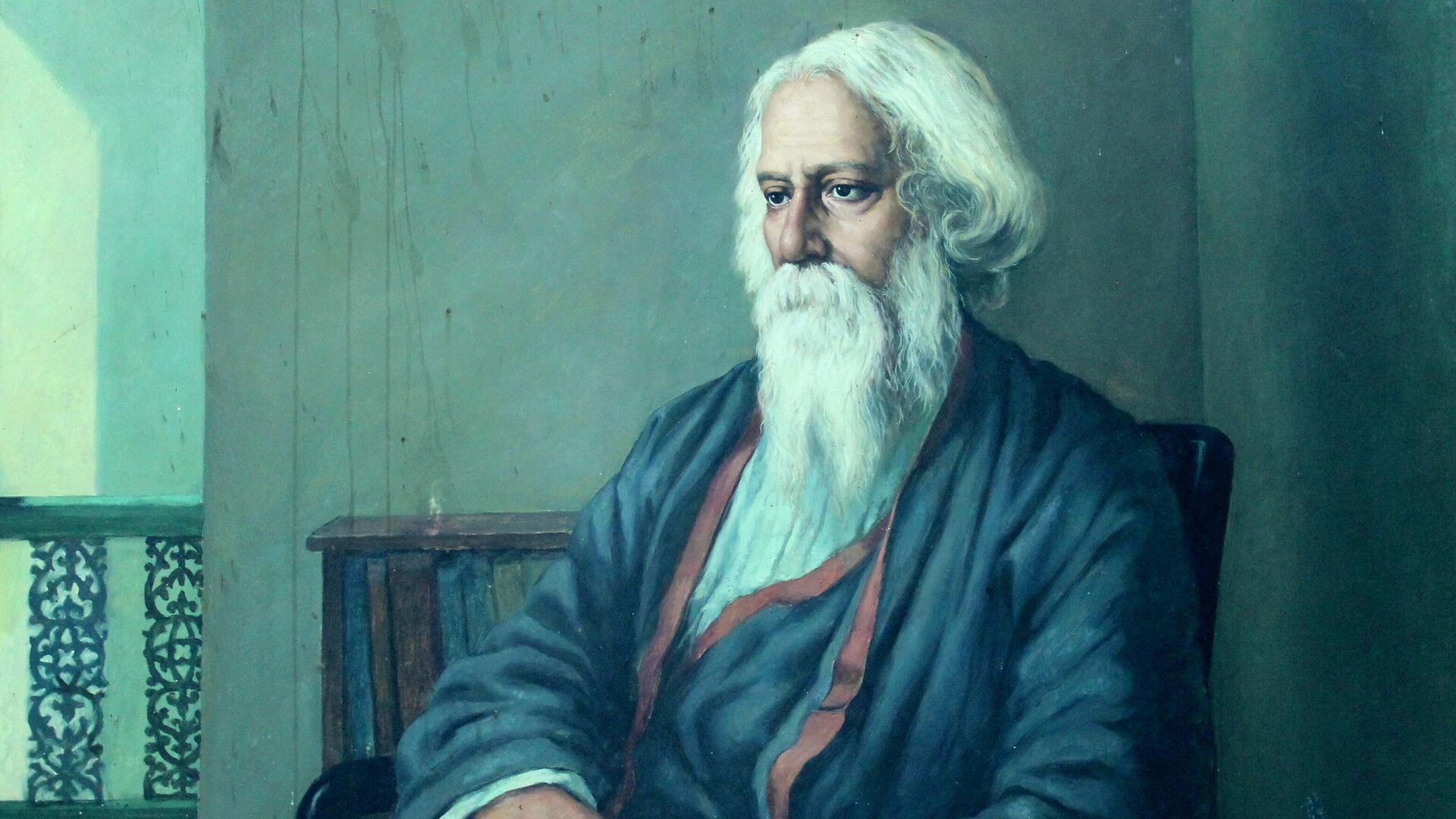
Rabindranath Tagore
Born in 1861 in Calcutta to a philosophically inclined father deeply rooted in the Brahmo Samaj reform movement, Rabindranath Tagore came of age in an environment that would shape both his spiritual imagination and his political conscience. He went on to become one of the most prolific literary figures in Bengali history, authoring over fifty poems and winning the Nobel Prize in Literature in 1913 for his celebrated collection Gitanjali — becoming the first Asian poet to receive the honor. Tagore was a fierce critic of Western nationalism and colonial rule, championing instead a vision of Indian identity grounded in love for the land and solidarity across Hindu, Muslim, and Christian communities alike. He translated his reformist ideals into action by founding Visva-Bharati University at Santiniketan in 1901, envisioning an institution rooted in Indian soil that would serve farmers and villagers alongside city dwellers, welcoming international students by 1921. Tagore continued writing until his health gave way entirely, passing away on August 7th, 1941, leaving behind a legacy that transcends religion, borders, and the colonial era he so passionately resisted.
READ MORE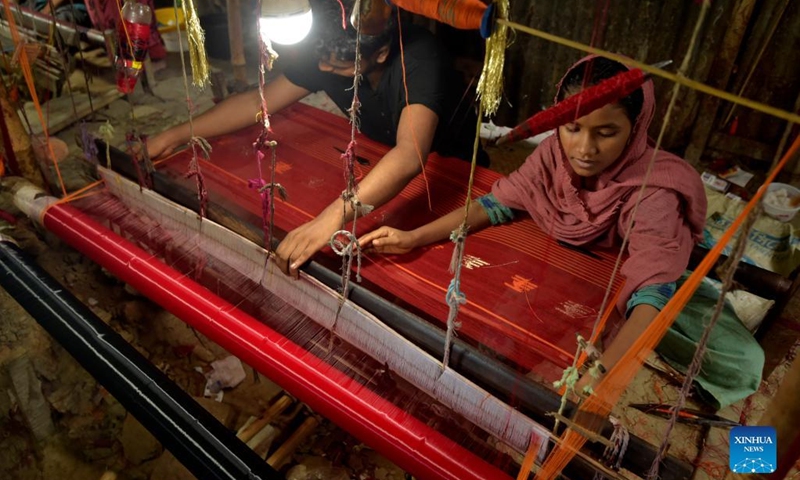
Jamdani
Jamdani, a centuries-old Bengali textile tradition known for its delicate hand-woven motifs that appear to float on translucent cotton, once flourished under Mughal patronage as a luxury fabric for imperial courts. The craft nearly vanished during British colonial rule when industrial textiles flooded markets and policies favored imported goods over handloom production, forcing most weavers to abandon their looms by the early 1900s. A remarkable revival began in the 1990s through government initiatives, NGO support, and artisan cooperatives, culminating in UNESCO's 2013 recognition of jamdani as Intangible Cultural Heritage and Bangladesh's 2016 Geographical Indication status. Today, jamdani has experienced a renaissance as designers incorporate it into contemporary fashion and museums showcase both historical and new pieces, though the labor-intensive craft requires months of skilled work and commands premium prices. The tradition's survival—sustained by a few families through generations of hardship—now stands as a powerful symbol of cultural resilience and offers a slow-craft alternative to fast fashion, though its future depends on training new artisans, ensuring fair wages, and maintaining sustainable markets.
READ MORE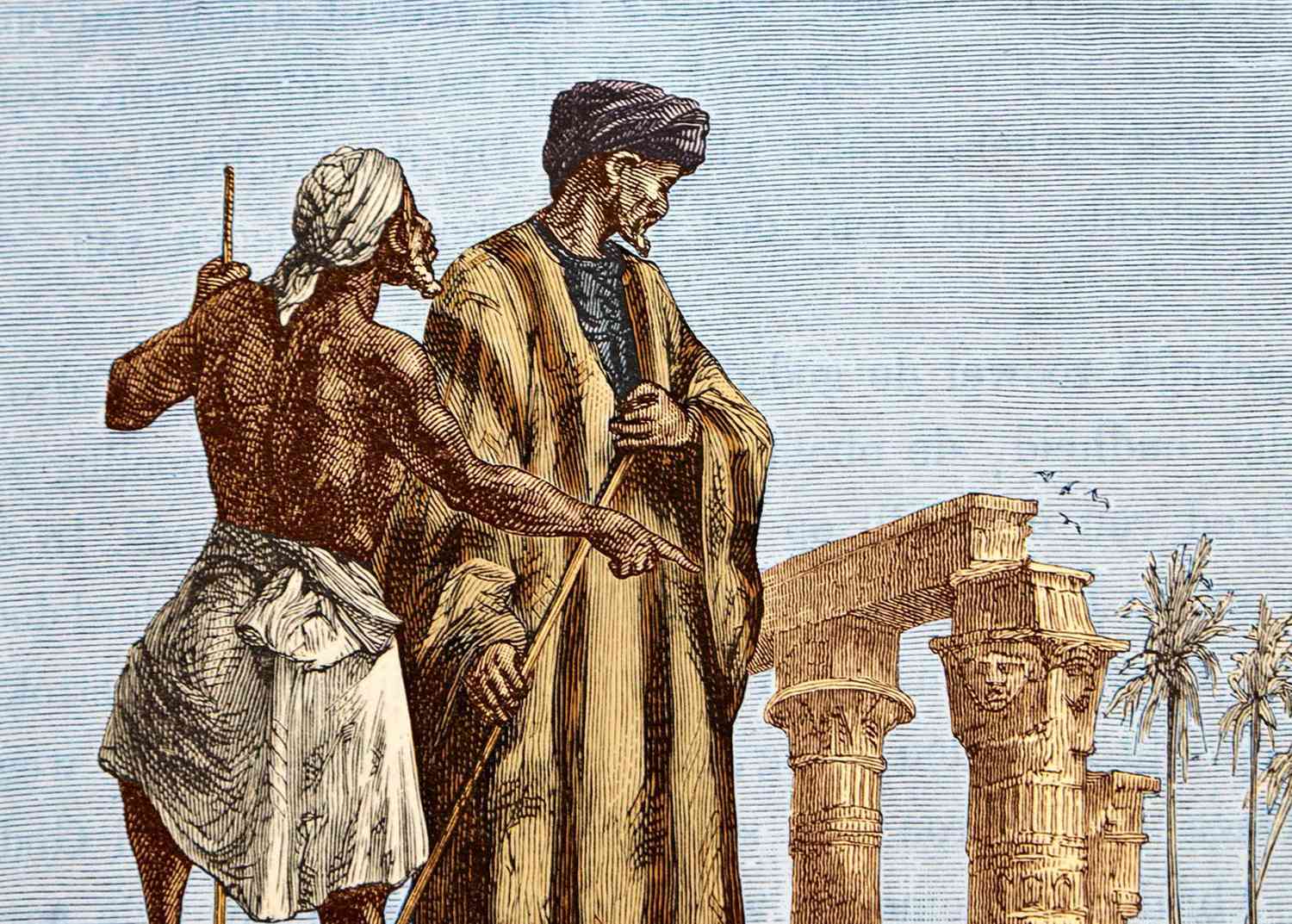
Ibn Battuta
Ibn Battuta, the pre-modern world's greatest explorer, spent less than two months in Bengal between July and August 1346, primarily to meet the revered Sufi saint Shah Jalal in Sylhet before continuing his ill-fated diplomatic mission to China. His account — the earliest detailed outsider description of Bengal — painted a portrait of extraordinary material abundance, noting cheap rice, lively river trade, and a land the people of Khurasan called "a hell full of blessings." Yet alongside this prosperity, Battuta's writings also illuminate the dark machinery of Bengal's medieval slave trade, which by the fourteenth century had made the region a hub of organised trafficking, including the highly specialised and lucrative trade in eunuchs centred in Sylhet. He documented Bengal's rich spiritual landscape too, remarking on the reputation for Tantric magic and witchcraft in the mountains of Kamrupa and praising Shah Jalal as one of the greatest saints of the age, a miracle-worker instrumental in the spread of Islam across Bengal. Battuta's brief visit left behind an irreplaceable historical record — at once a traveller's wonder at abundance and a sobering witness to the social and political complexities of fourteenth-century Bengal.
READ MORE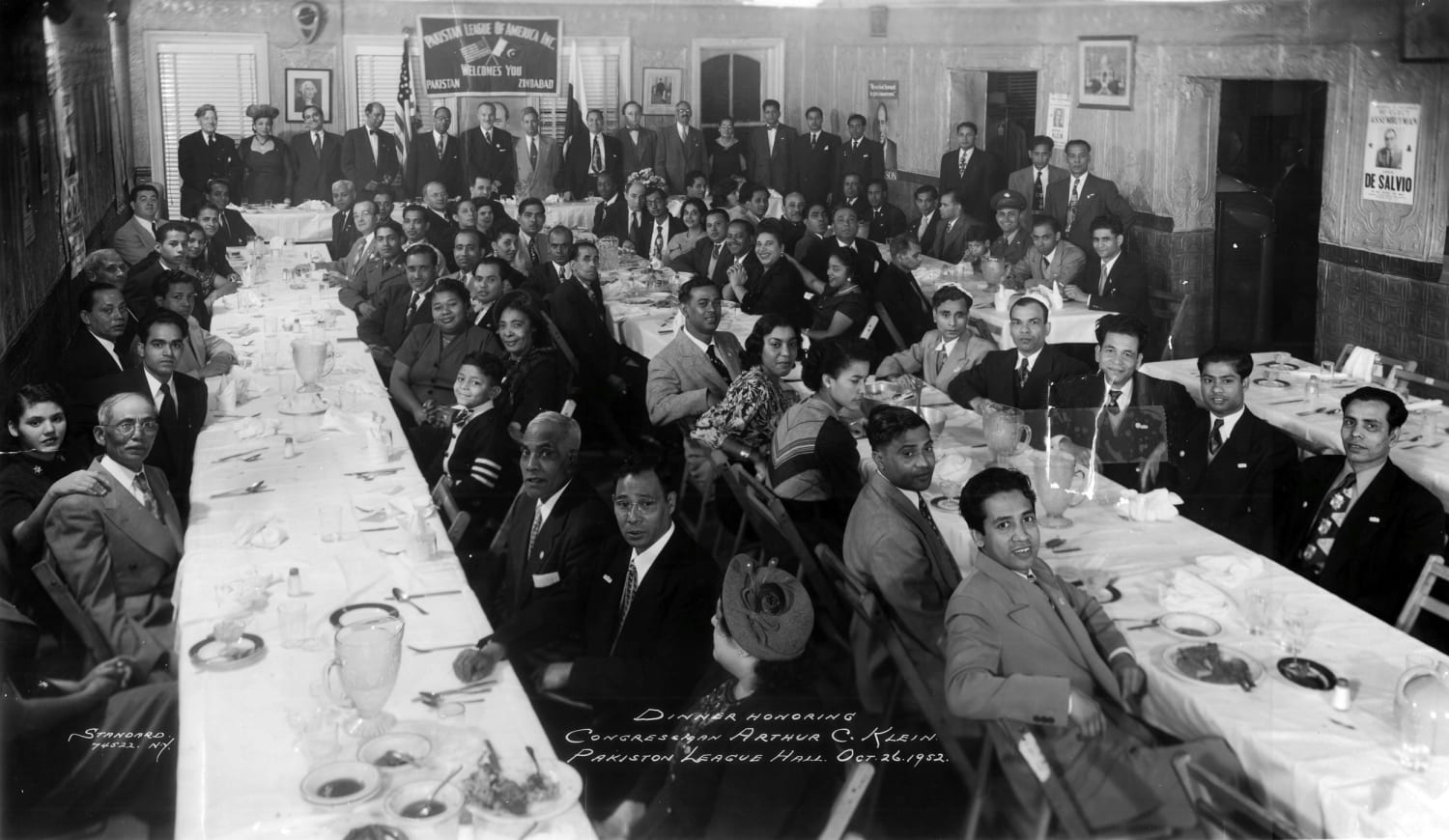
Bangla Diasporas (Harlem & New Orleans)
In the early 20th century, Bengali Muslim sailors and peddlers—many from present-day Bangladesh—formed some of the first South Asian enclaves in New York's Harlem and the Lower East Side, arriving via British merchant ships or through Gulf Coast ports like New Orleans. These predominantly single men built interracial households by marrying African American and Puerto Rican women, creating hybrid cultural traditions that blended Bengali cooking, Islamic practices, and multilingual family life. Facing restrictive immigration laws and racial hierarchies, they survived through informal economies as peddlers, restaurant workers, and factory laborers while maintaining religious practices in living rooms and rented halls. Their early presence contributed to the development of Black Muslim communities in Harlem, predating the large-scale Bangladeshi immigration that followed the 1965 Immigration Act. This forgotten history reveals deep Afro-South Asian connections and establishes that the Bangladeshi American story began not in the 1970s, but decades earlier with maritime workers navigating the margins of urban America.
READ MORE
Apu From the Simpsons is Technically Bengali
Apu Nahasapeemapetilon, though canonically Bengali-Hindu, is portrayed as a "homogenized Indian" — an amalgamation of Bengali, North Indian, South Indian, and Tamil traits — making him a reductive caricature that flattens the subcontinent's rich ethnic diversity into a single, largely negative image. His depiction, built on stereotypes like an exaggerated accent, underemployment despite a PhD, arranged marriage, and unsanitary business practices, became the dominant representation of Indians in mainstream American television from the 1990s through the 2010s, shaping how millions of non-South Asian viewers understood Indian culture. Voice actor Hank Azaria, who has since stepped down from the role, acknowledged his own complicity in perpetuating harm, noting that unlike him, South Asian actors visibly bear the consequences of Apu's caricature in everyday life — a self-awareness that his Simpsons collaborators, including Matt Groening, have not consistently demonstrated. The homogenized Indian stereotype Apu popularized has since trickled into other media, most notably in characters like Ravi Ross from Jessie, whose name awkwardly fuses North and South Indian conventions much like Apu's own fictitious surname, while also contributing to the narrow range of roles available to South Asian actors for decades. Though South Asian representation in Western film and television is now on a measurably upward trajectory — with fuller, more culturally specific characters appearing across a range of acclaimed series — the legacy of Apu remains a cautionary example of how surface-level representation, when it becomes the only representation, can do as much harm as no representation at all.
READ MORE
Fuchka vs Gol Gappa vs Pani Puri
Across South Asia, a beloved street snack — known as fuchka, pani puri, or golgappa depending on where you are — has delighted generations with its signature combination of a crispy hollow puri shell, savory fillings like potatoes or chickpeas, and flavored water ranging from tangy to sweet to spicy. While its precise origins remain debated, culinary historians trace it to the chaat tradition of the Mughal era, with one food historian suggesting the spiced water was originally devised to make local drinking water more palatable. Regional variations are striking: fuchka, beloved in West Bengal and Bangladesh, features a larger puri with an intensely sour tamarind-based pani, while pani puri from Gujarat and Maharashtra offers a sweeter, more customizable experience, and northern India's golgappa tends toward smaller puris with a minty or tamarind-sweetened water. Beyond its taste, fuchka holds particular cultural weight in Bengali life, appearing in poetry, film, and literature as a nostalgic emblem of childhood and community, and even serving as a lens through which public health and street hygiene are examined. Though the names and flavors differ, this humble street snack ultimately captures something universal about South Asian food culture — the joy of bold, communal eating in the open air.
READ MORE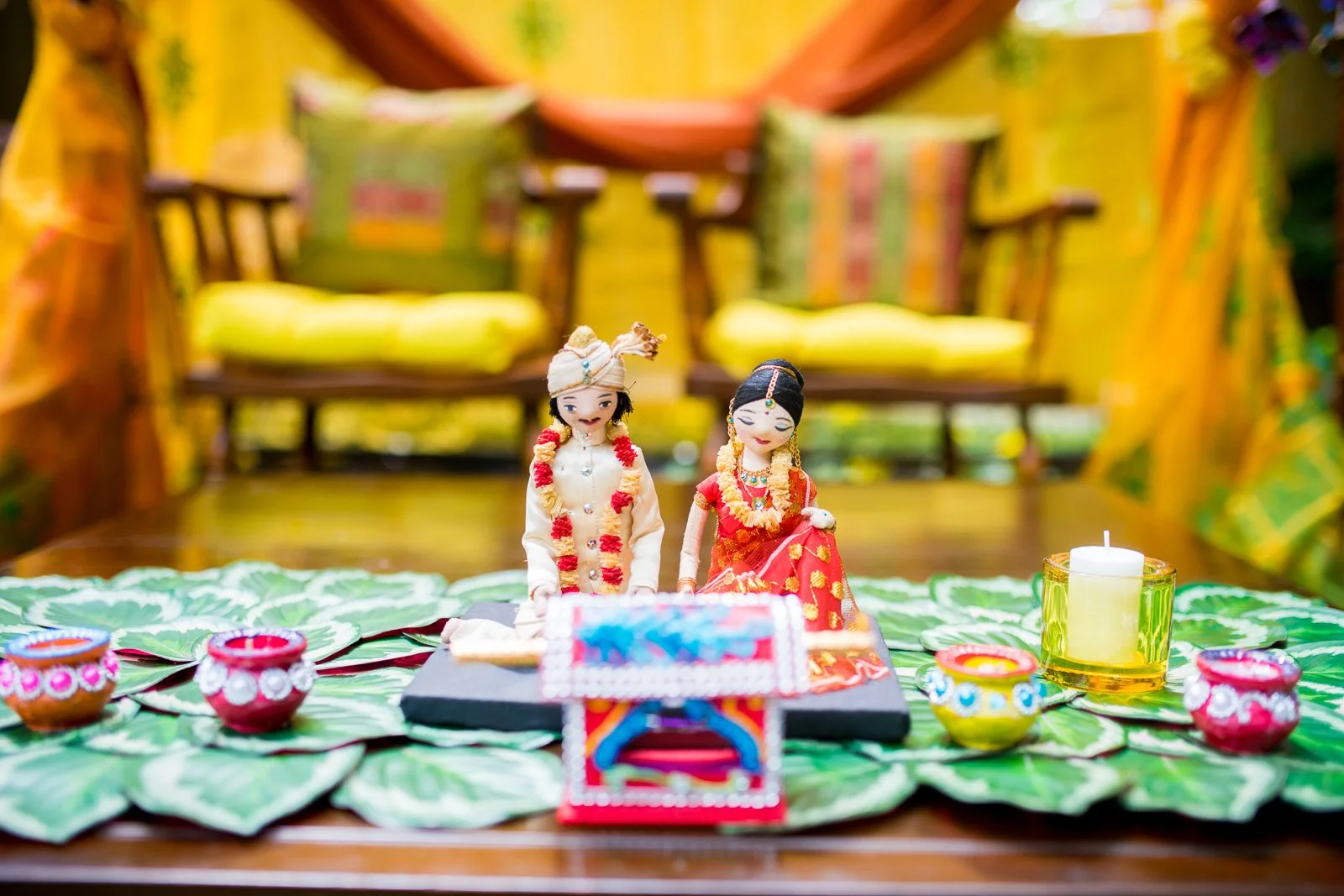
Different Wedding Rituals Melding- Hinduism and Islam in BD
Though Bangladesh is an officially Islamic state, its 80% Muslim and 13% Hindu population has cultivated a wedding culture that beautifully weaves together traditions from both faiths. Hindu weddings feature the beloved Gaye Holud, a multi-day ceremony in which turmeric paste is applied to the bride and groom by loved ones to purify them, ward off evil, and leave behind a radiant glow. Muslim weddings follow their own sequence of pre-wedding rituals — the Mangni engagement, the Manjha turmeric ceremony, and the intricate Mehendi, where henna patterns conceal the groom's initials — culminating in the sacred Nikah ceremony. What makes Bangladeshi weddings truly distinctive is how these traditions have merged: the Holud is now celebrated across both communities, blending seamlessly with the Mehendi to create a shared cultural ritual that transcends religious boundaries. And regardless of faith, all Bangladeshi brides observe one unifying custom — cutting fish upon entering their new home, a gesture rooted in the beloved saying "baath maase Bangali," symbolizing the prosperity and good fortune a new bride brings with her.
READ MORE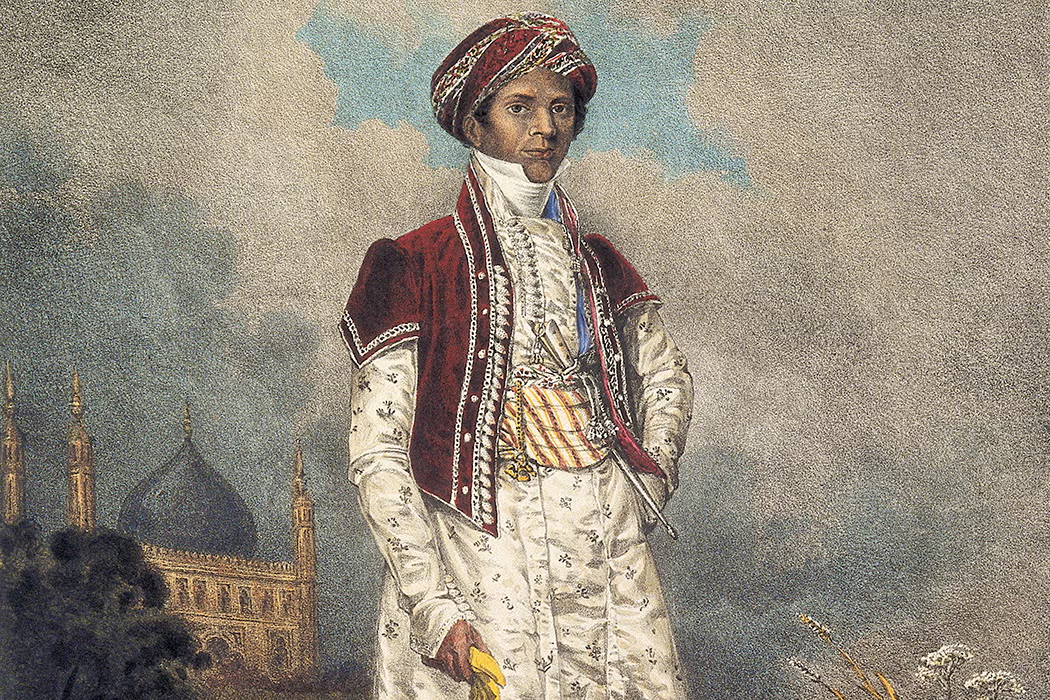
How a "Desi" Changed Hygiene Forever - Sake Dean Mahomed
The word "shampoo" traces directly to the Hindi/Urdu word *chāmpo*, reflecting a rich tradition of herbal scalp treatments and therapeutic massage practiced across Bengal, Gujarat, and the Mughal courts long before Europe ever took notice. It was Sheikh Din Muhammad — born in Patna, a former Bengal Army surgeon, and a pioneering writer — who carried this tradition to Britain in the early 19th century, opening the country's first Indian shampooing bathhouse in Brighton in 1814. His "Indian Medicated Vapour Baths" drew on Ayurvedic and Unani techniques and earned him Royal Warrants from both George IV and William IV, making him one of the most celebrated South Asian figures in Regency Britain. Mahomed's influence seeded the European understanding of hair care, laying groundwork for the commercialization of shampoo that would sweep the globe by the 20th century. Yet as scholars like Said and Fanon have shown, colonial ideology simultaneously borrowed South Asian hygienic practices and branded South Asian people as inherently unclean — a contradiction that, disturbingly, continues to shape racist stereotypes in the West today.
READ MORE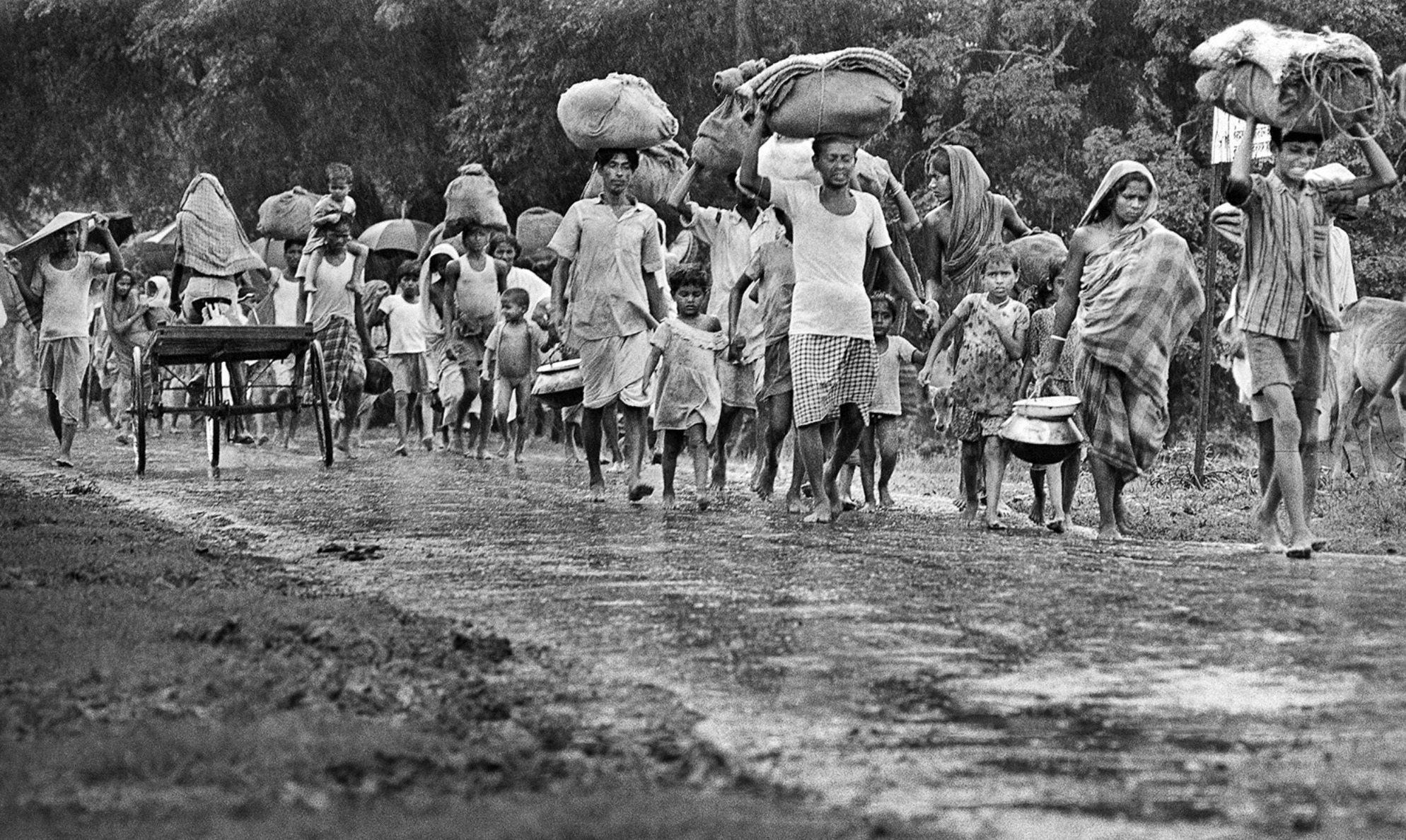
The Concert for Bangladesh
On 1 August 1971, former Beatle George Harrison and sitar maestro Ravi Shankar organized the Concert for Bangladesh at Madison Square Garden, bringing together world-class musicians to raise funds and awareness for one of the decade's most devastating humanitarian crises. The event was a direct response to the suffering caused by the Bangladesh Liberation War, which drove an estimated 10 million refugees into India, compounded by the 1970 Bhola cyclone that had already claimed roughly 500,000 lives. The concert's political reverberations extended far beyond the stage — Pakistani officials alerted their embassies about its "anti-Pakistan" messaging, while the Nixon administration grew anxious over rising youth interest in the crisis as it quietly pursued its own geopolitical calculations with Pakistan and China. Harrison's effort established the blueprint for the modern benefit concert, most directly influencing Bob Geldof's Live Aid in 1985, which raised $245 million for Ethiopian famine relief after Geldof personally sought Harrison's guidance. More than a fundraiser, the Concert for Bangladesh transformed how the world saw a newly emerging nation, proving that art and celebrity could carry a humanitarian cause across borders in ways that diplomacy and aid organizations alone could not.
READ MORE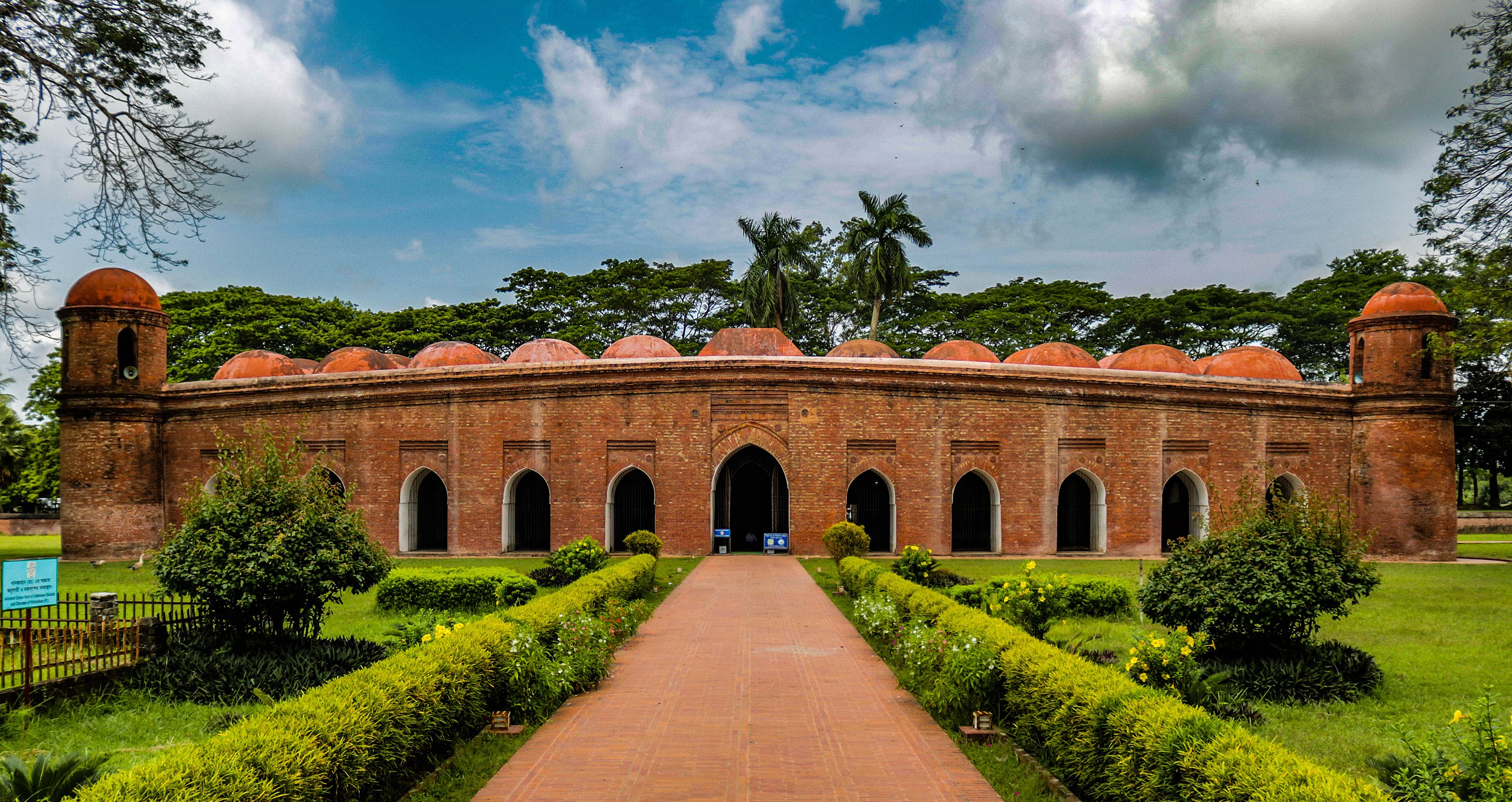
The Historic Mosque City of Bagerhat
Khalifatabad, the historic mosque city built under Khan Jahan Ali, represents one of the earliest and most distinctive expressions of Islamic architecture in Bangladesh, blending local Bengali forms with influences from Delhi. Its most famous monument, the Shait Gumbad Mosque, showcases this hybrid style through its many domes, terracotta ornamentation, and structural features that suggest the site served religious, educational, and communal purposes. Although many buildings later fell into ruin due to salinity and time, the city’s surviving mosques, mausoleums, and water structures reveal the lasting architectural and cultural legacy of Khan Jahan’s work in the region.
READ MORE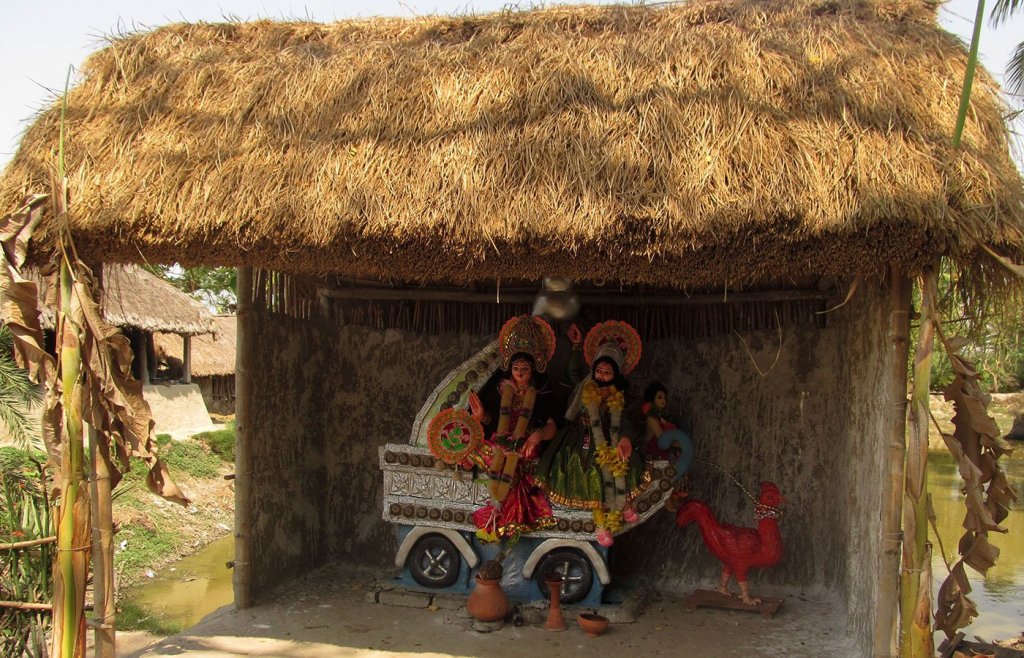
Bonbibi
Bonbibi sits at the heart of the Sundarbans as a guardian spirit who belongs to both Hindu and Muslim communities, and her stories weave together myth, ecology, and survival. Her origin tale follows a child abandoned in the forest who grows into a protector strong enough to face Dakshin Ray yet compassionate enough to share the land with him, which mirrors the way people in the Sundarbans must live alongside tigers and other dangerous forces of nature. Her rituals, shrines, and festivals show how deeply she is tied to the landscape and the lives of the poor who depend on the forest for work, and her worship blends traditions without worrying about strict religious lines. As climate change, land loss, and new pressures reshape the region, Bonbibi’s message of restraint, humility, and respect for all beings feels even more urgent. She remains a symbol of balance in a place where human survival hinges on careful coexistence with the mangroves, tides, and wildlife that define the Sundarbans.
READ MORE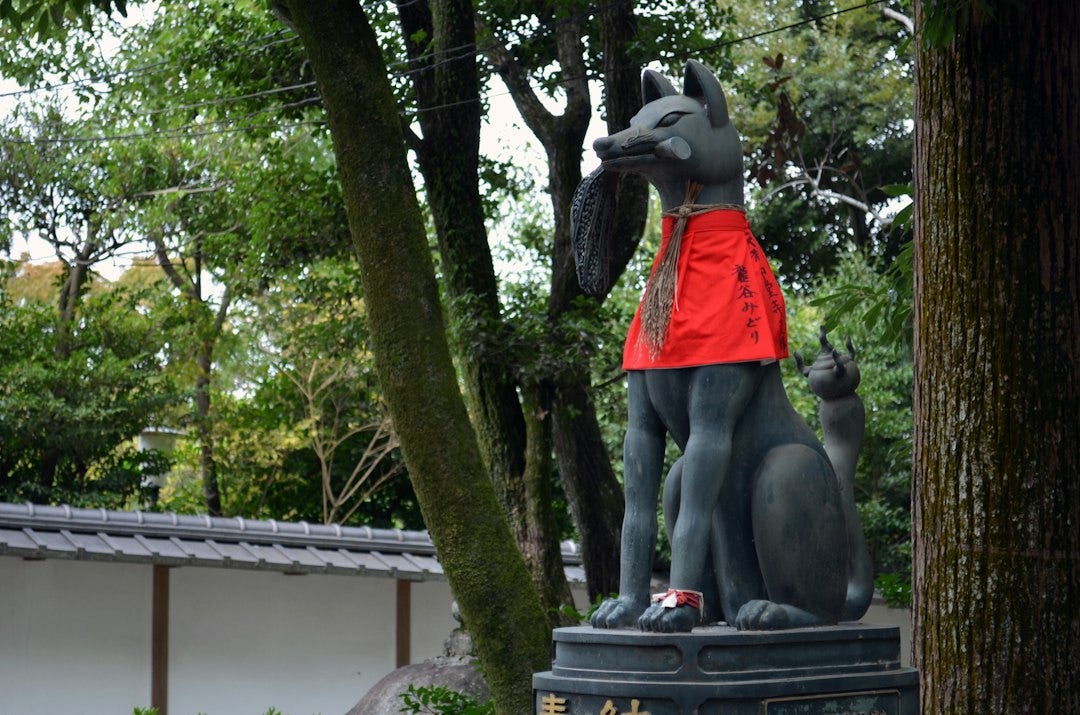
The Fox’s Wedding: A Folkloric Bridge Between Bangladesh and Japan
Sunshowers inspire parallel folktales in Bangladesh and Japan, where both cultures imagine foxes or jackals holding hidden weddings behind the curtain of rain and sunlight. These stories blend wonder, superstition, and local belief, revealing how a single natural phenomenon creates shared mythic meaning across two distant countries.
READ MORE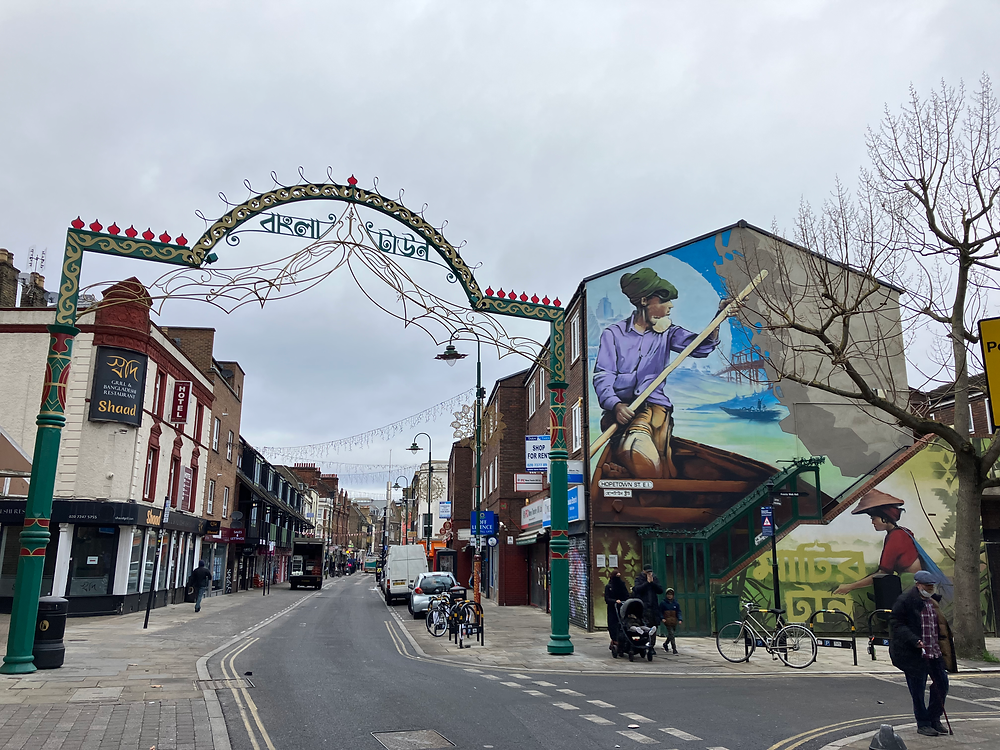
Brick Lane and Tower Hamlets
Brick Lane is the cultural heart of Bangladeshi life in East London, known for its festivals, landmarks, and long history of migration that transformed the area into Banglatown. Its legacy reflects both the community’s contributions and its struggles against racism, even as gentrification now threatens the future of its historic Bangladeshi presence.
READ MORE
Mary Kom: A Journey of Grit, Glory, and Inspiration
Mary Kom rose from a life of poverty and social barriers in rural Manipur to become the most decorated female boxer in world championship history, proving her critics wrong at every step. Her legacy now extends beyond her medals as she mentors young athletes, champions gender equality, and stands as a symbol of resilience and possibility for women across India.
READ MORE
Muhammad Ali’s Visit to Bangladesh
Muhammad Ali’s 1978 visit to Bangladesh became a powerful moment for a young nation trying to define itself, as millions welcomed him with a level of affection normally reserved for a head of state. The trip lifted national morale, gave Bangladesh rare global visibility, and deeply moved Ali, who accepted honorary citizenship and famously praised the country’s warmth. His playful exhibition match, his travels across the country, and his heartfelt public statements left a lasting cultural legacy that Bangladesh still remembers with pride.
READ MORE
Rohingya
The Rohingya are a Muslim minority from Myanmar’s Rakhine state who have been systematically stripped of citizenship, targeted through decades of state-backed persecution, and forced into repeated waves of displacement, most notably the mass exodus of 2017. Today nearly a million live in overcrowded camps in Bangladesh, where unsafe conditions, limited rights, and an uncertain future reflect both the aftermath of genocide and the world’s failure to protect them.
READ MORE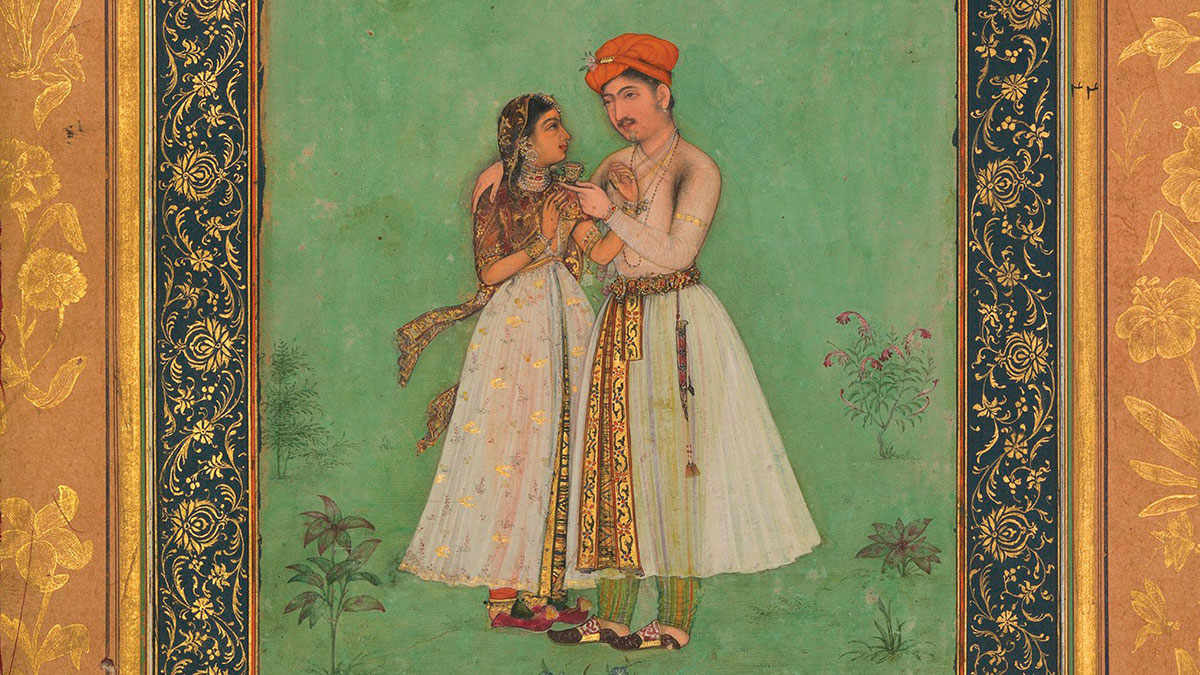
Dhaka Muslin
Dhaka muslin was once a legendary fabric known as “woven air,” created from the rare phuti karpas cotton and crafted by master spinners whose skills vanished after colonization and industrial competition destroyed the industry. After nearly two centuries of disappearance, Bangladesh has revived the craft through scientific research and dedicated weavers, turning muslin into a powerful symbol of cultural resilience and reclaimed heritage.
READ MORE
Chinese Influence on Bengal
Tong Achew founded Achipur in the late eighteenth century, creating Bengal’s first Chinese settlement and laying the groundwork for the vibrant Chinese communities that later shaped Calcutta’s industries, crafts, and food culture. Although these communities thrived for generations, the Sino India war, political suspicion, and later environmental regulations caused a steep decline, leaving only small remnants of a once influential Indo Chinese heritage.
READ MORE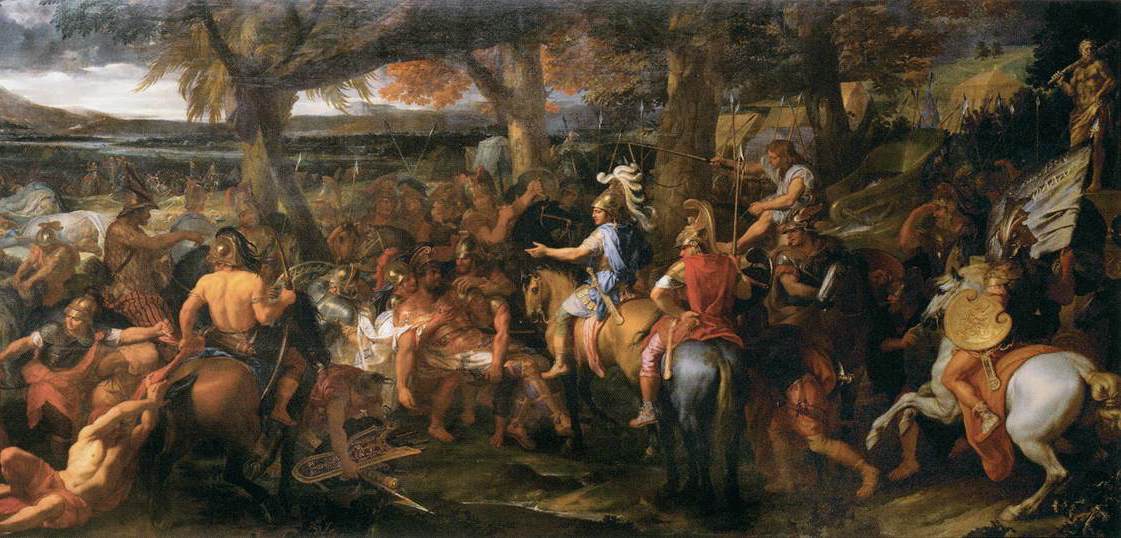
Alexander the Great's Indian Campaign
Alexander the Great built one of history’s largest empires, but his campaign into the Indian subcontinent stalled when his exhausted troops mutinied after years of brutal fighting, heavy losses, and harsh monsoon conditions. Although ancient writers claimed he feared the powerful Gangaridai, the sources show he never reached the Ganges and ultimately turned back because his army could not endure another campaign.
READ MORE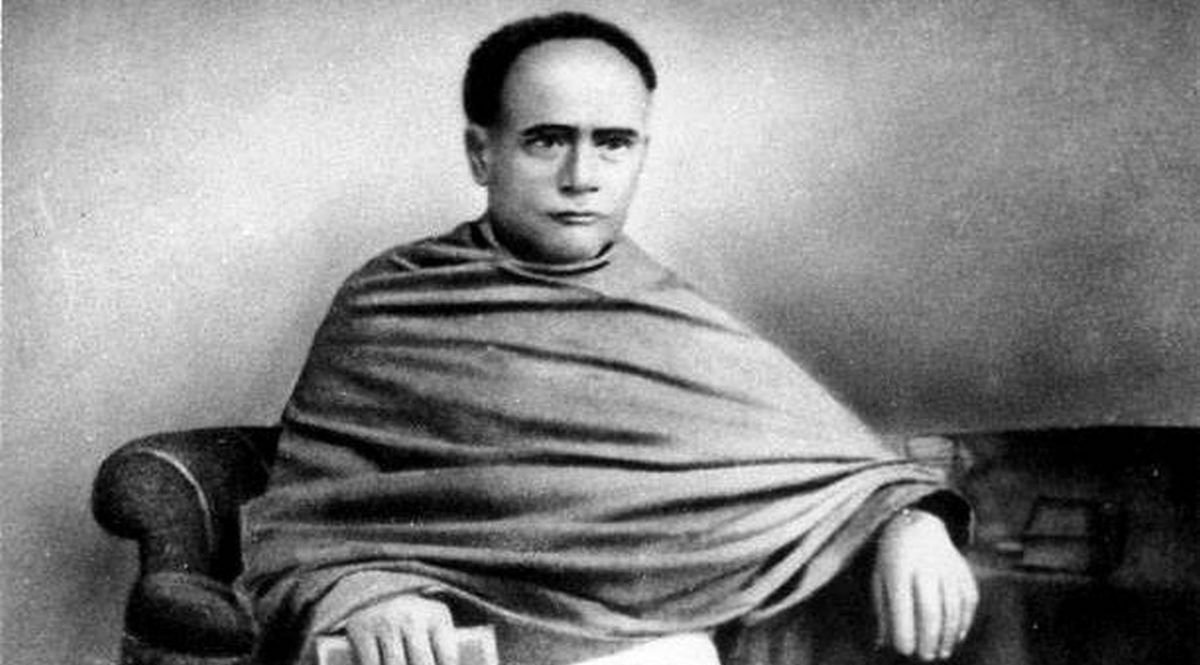
Vidyasagar and the Hindu Widows’ Remarriage Act
Ishwar Chandra Vidyasagar was a pioneering educator and reformer who transformed Bengali schooling through vernacular education, girls’ schools, and the standardization of the Bengali language. His scholarship and moral conviction pushed him to challenge restrictive practices around widowhood, leading to the Hindu Widows’ Remarriage Act of 1856, though the law’s limitations and uneven application meant its impact was mixed. Together, his educational and social reforms shaped the Bengali Renaissance and left a lasting influence on language, learning, and women’s rights in nineteenth century Bengal.
READ MORE
Hazrat Shahjalal International Airport: History, Namesake, and Legacy
Hazrat Shahjalal International Airport is Bangladesh’s main aviation hub, evolving from a pre-independence construction project into the country’s busiest gateway and later renamed to honor the revered Sufi saint Shah Jalal. The renaming reflects how his legacy as a spiritual guide and symbol of Bangladesh’s cultural identity continues to shape national memory and modern institutions.
READ MORE
The Rise of Bangladesh’s Women’s Football
Bangladesh’s women’s national team made history by qualifying for the 2026 AFC Women’s Asian Cup, ending a 45-year wait for the country to return to a major continental stage. Their success has become a symbol of national pride and gender progress, inspiring a new generation while reshaping the future of football in Bangladesh.
READ MORE
The Hamza Choudhury Effect
Hamza Choudhury’s decision to represent Bangladesh marked a historic shift for the country’s football identity, instantly raising its global profile and inspiring a wave of diaspora players to follow his lead. His choice has sparked institutional reform, renewed national optimism, and a broader movement connecting Bangladesh’s sporting future with its global diaspora.
READ MORE
The History of Darjeeling Tea
Darjeeling and Assam teas became two of India’s most important tea industries, with Darjeeling earning global prestige for its unique high-altitude flavor and Assam developing into a massive commercial enterprise built on indigenous plants and harsh colonial labor systems. Their histories reveal how global demand, British imperial policy, and botanical knowledge shaped both India’s economy and the modern tea trade.
READ MORE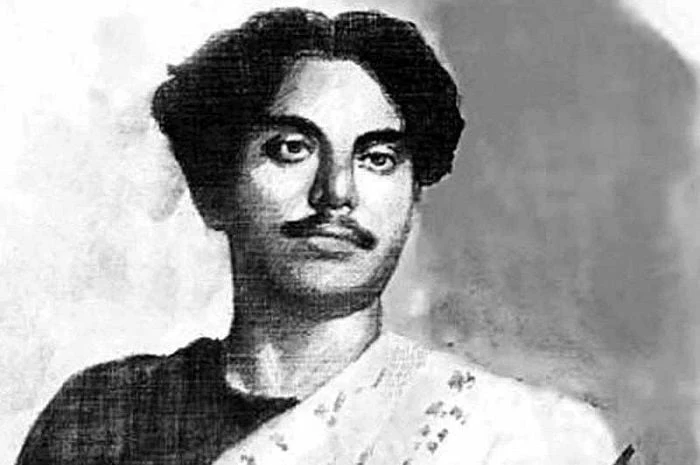
Kazi Nazrul Islam
Kazi Nazrul Islam rose from a childhood marked by poverty and loss to become Bengal’s “Rebel Poet,” blending spiritual depth with fierce anti-colonial activism and groundbreaking musical innovation. His later years were defined by illness, but his legacy endures through his revolutionary writings, interfaith musical works, and lasting influence on Bengali identity and culture.
READ MOREWhat You Are Looking For Is In Nilkhet
Nilkhet, Dhaka's iconic book market, derives its name from the indigo fields ("Nil" meaning blue, "Khet" meaning field) that once occupied the area during British colonial rule, when the region housed numerous indigo plantations until 1847. The market evolved gradually from abandoned indigo fields to a racecourse stable, then a settlement, before street vendors began selling books from baskets around 1974, eventually transforming into Bangladesh's largest book market by the 1990s. Strategically located at the heart of Dhaka's educational zone—within easy reach of the University of Dhaka, BUET, medical colleges, and countless schools—Nilkhet became an indispensable academic hub offering not just books but comprehensive services including printing, binding, photocopying, and stationery. During the COVID-19 pandemic, the market demonstrated remarkable adaptability by pivoting to digital platforms and courier services, expanding its reach beyond Dhaka to serve students across Bangladesh. Today, Nilkhet faces an ethical crossroads between its democratic mission of providing affordable knowledge through used and discounted books and the problematic proliferation of pirated copies that undermine authors and publishers.
READ MOREBengali Daknam
In Bengali culture, every person carries two names: the *bhalo nam*, or "good name," designed for the outside world of institutions and records, and the *dak nam*, or "calling name," reserved for the intimate spaces of home and family. The bhalo nam bears the weight of history, shaped in part by British colonial bureaucracy that compressed surnames like Bandyopadhyay into Banerjee to satisfy administrative demands for standardized, "pronounceable" names. The dak nam, by contrast, never submitted to those pressures — existing only in spoken form, it stayed hidden within households, shielded from the mispronunciations and anglicizations that distorted its counterpart. Far more than a simple nickname, the dak nam represents a deliberate act of cultural preservation, a name that protects identity precisely by refusing to be written down or made legible to strangers. Together, the two names teach a deeper lesson about navigating between public and private selves — a form of code-switching that, especially in the diaspora, becomes both a practical skill and a quiet reckoning with how much of oneself to make visible, and to whom.
READ MORELalbagh Fort Lore
Lalbagh Fort, or "Lalbagh Kella," rises from the heart of Old Dhaka as one of Bangladesh's most visited historic landmarks, drawing around three million visitors annually to its hauntingly unfinished walls. Construction began in 1678 under Mughal Prince Muhammad Azam Shah before being transferred to Governor Shaista Khan, whose tenure ended in abandonment following the sudden death of his beloved daughter, Pari Bibi — an event that has since become the source of enduring ghost lore, including tales of her spirit appearing under full moons. The fort's mysteries deepen further with its sealed underground tunnels, rumoured to have swallowed sepoys, elephants, and dogs during the 1857 rebellion, with folklore stretching their reach all the way to Delhi. Architecturally, the complex is a showcase of Mughal sophistication, featuring a marble and basalt mausoleum set within charbagh paradise gardens, a recently restored hammam with underground heating, a three-domed mosque still in active use, and a Diwan-i-Aam that once served as the nerve centre of Mughal governance in Bengal. What makes Lalbagh Fort truly singular is how its incompleteness has only deepened its resonance — a monument shaped as much by imperial ambition and personal grief as by the myths that have grown around it
READ MOREPohela Falgun and the Arrival of Boshonto
Pohela Falgun marks the first day of spring in the Bengali calendar, celebrated across Bangladesh with vibrant displays of yellow, orange, and red clothing, flowers, and cultural performances. The Bengali calendar divides the year into six distinct seasons, with its modern form traced to Mughal Emperor Akbar's 16th-century administrative reforms that aligned tax collection with agricultural harvest cycles. What began in 1991 as an informal student celebration at Dhaka University's Faculty of Fine Arts has evolved into a nationwide cultural phenomenon, centered at locations like Bakultala and featuring music, dance, poetry, and colorful processions. Following a 2019 calendar reform, Pohela Falgun now falls on February 14th, creating a unique fusion with Valentine's Day that offers an indigenous celebration of love and renewal without commercial pressures. At its essence, Pohela Falgun represents anticipation and collective hope, a promise of warmth and rebirth even while winter's chill lingers.
READ MOREBehind the Tea Leaves: The Hidden Costs of Women’s Labour in Bangladesh’s Tea Gardens
Bangladesh's tea industry employs over 400,000 workers and sustains millions more, yet more than 75% of its workforce — women — endure conditions of profound structural neglect. Female tea workers face severe sanitation failures on the job, with the vast majority urinating in the open and lacking access to clean facilities during menstruation, leading to widespread gynaecological health problems that go largely unaddressed due to deep social stigma. Reproductive health outcomes are equally dire, with nearly 40% of Moulvibazar district's 2014 maternal deaths occurring in tea gardens despite their relatively small population, alongside documented cases of fistulas, miscarriages, and stillbirths linked directly to the gruelling physical demands of plantation labour during pregnancy. Beyond health, women face sexual harassment, economic disenfranchisement, and near-total legal invisibility — the majority have no formal employment contracts, no identity cards, and no control over their own wages, while chronic poverty and conservative social norms drive early marriage and keep girls out of school. Amid these compounding injustices, nascent efforts such as the UN-led Joint Programme and the advocacy work of union leaders like Srimoti Bauri offer cautious hope, though meaningful change will require dismantling the exploitative systems that have kept generations of women invisible within an industry built on their labour.
READ MORERabindranath Tagore
Born in 1861 in Calcutta to a philosophically inclined father deeply rooted in the Brahmo Samaj reform movement, Rabindranath Tagore came of age in an environment that would shape both his spiritual imagination and his political conscience. He went on to become one of the most prolific literary figures in Bengali history, authoring over fifty poems and winning the Nobel Prize in Literature in 1913 for his celebrated collection Gitanjali — becoming the first Asian poet to receive the honor. Tagore was a fierce critic of Western nationalism and colonial rule, championing instead a vision of Indian identity grounded in love for the land and solidarity across Hindu, Muslim, and Christian communities alike. He translated his reformist ideals into action by founding Visva-Bharati University at Santiniketan in 1901, envisioning an institution rooted in Indian soil that would serve farmers and villagers alongside city dwellers, welcoming international students by 1921. Tagore continued writing until his health gave way entirely, passing away on August 7th, 1941, leaving behind a legacy that transcends religion, borders, and the colonial era he so passionately resisted.
READ MOREJamdani
Jamdani, a centuries-old Bengali textile tradition known for its delicate hand-woven motifs that appear to float on translucent cotton, once flourished under Mughal patronage as a luxury fabric for imperial courts. The craft nearly vanished during British colonial rule when industrial textiles flooded markets and policies favored imported goods over handloom production, forcing most weavers to abandon their looms by the early 1900s. A remarkable revival began in the 1990s through government initiatives, NGO support, and artisan cooperatives, culminating in UNESCO's 2013 recognition of jamdani as Intangible Cultural Heritage and Bangladesh's 2016 Geographical Indication status. Today, jamdani has experienced a renaissance as designers incorporate it into contemporary fashion and museums showcase both historical and new pieces, though the labor-intensive craft requires months of skilled work and commands premium prices. The tradition's survival—sustained by a few families through generations of hardship—now stands as a powerful symbol of cultural resilience and offers a slow-craft alternative to fast fashion, though its future depends on training new artisans, ensuring fair wages, and maintaining sustainable markets.
READ MOREIbn Battuta
Ibn Battuta, the pre-modern world's greatest explorer, spent less than two months in Bengal between July and August 1346, primarily to meet the revered Sufi saint Shah Jalal in Sylhet before continuing his ill-fated diplomatic mission to China. His account — the earliest detailed outsider description of Bengal — painted a portrait of extraordinary material abundance, noting cheap rice, lively river trade, and a land the people of Khurasan called "a hell full of blessings." Yet alongside this prosperity, Battuta's writings also illuminate the dark machinery of Bengal's medieval slave trade, which by the fourteenth century had made the region a hub of organised trafficking, including the highly specialised and lucrative trade in eunuchs centred in Sylhet. He documented Bengal's rich spiritual landscape too, remarking on the reputation for Tantric magic and witchcraft in the mountains of Kamrupa and praising Shah Jalal as one of the greatest saints of the age, a miracle-worker instrumental in the spread of Islam across Bengal. Battuta's brief visit left behind an irreplaceable historical record — at once a traveller's wonder at abundance and a sobering witness to the social and political complexities of fourteenth-century Bengal.
READ MOREBangla Diasporas (Harlem & New Orleans)
In the early 20th century, Bengali Muslim sailors and peddlers—many from present-day Bangladesh—formed some of the first South Asian enclaves in New York's Harlem and the Lower East Side, arriving via British merchant ships or through Gulf Coast ports like New Orleans. These predominantly single men built interracial households by marrying African American and Puerto Rican women, creating hybrid cultural traditions that blended Bengali cooking, Islamic practices, and multilingual family life. Facing restrictive immigration laws and racial hierarchies, they survived through informal economies as peddlers, restaurant workers, and factory laborers while maintaining religious practices in living rooms and rented halls. Their early presence contributed to the development of Black Muslim communities in Harlem, predating the large-scale Bangladeshi immigration that followed the 1965 Immigration Act. This forgotten history reveals deep Afro-South Asian connections and establishes that the Bangladeshi American story began not in the 1970s, but decades earlier with maritime workers navigating the margins of urban America.
READ MOREApu From the Simpsons is Technically Bengali
Apu Nahasapeemapetilon, though canonically Bengali-Hindu, is portrayed as a "homogenized Indian" — an amalgamation of Bengali, North Indian, South Indian, and Tamil traits — making him a reductive caricature that flattens the subcontinent's rich ethnic diversity into a single, largely negative image. His depiction, built on stereotypes like an exaggerated accent, underemployment despite a PhD, arranged marriage, and unsanitary business practices, became the dominant representation of Indians in mainstream American television from the 1990s through the 2010s, shaping how millions of non-South Asian viewers understood Indian culture. Voice actor Hank Azaria, who has since stepped down from the role, acknowledged his own complicity in perpetuating harm, noting that unlike him, South Asian actors visibly bear the consequences of Apu's caricature in everyday life — a self-awareness that his Simpsons collaborators, including Matt Groening, have not consistently demonstrated. The homogenized Indian stereotype Apu popularized has since trickled into other media, most notably in characters like Ravi Ross from Jessie, whose name awkwardly fuses North and South Indian conventions much like Apu's own fictitious surname, while also contributing to the narrow range of roles available to South Asian actors for decades. Though South Asian representation in Western film and television is now on a measurably upward trajectory — with fuller, more culturally specific characters appearing across a range of acclaimed series — the legacy of Apu remains a cautionary example of how surface-level representation, when it becomes the only representation, can do as much harm as no representation at all.
READ MOREFuchka vs Gol Gappa vs Pani Puri
Across South Asia, a beloved street snack — known as fuchka, pani puri, or golgappa depending on where you are — has delighted generations with its signature combination of a crispy hollow puri shell, savory fillings like potatoes or chickpeas, and flavored water ranging from tangy to sweet to spicy. While its precise origins remain debated, culinary historians trace it to the chaat tradition of the Mughal era, with one food historian suggesting the spiced water was originally devised to make local drinking water more palatable. Regional variations are striking: fuchka, beloved in West Bengal and Bangladesh, features a larger puri with an intensely sour tamarind-based pani, while pani puri from Gujarat and Maharashtra offers a sweeter, more customizable experience, and northern India's golgappa tends toward smaller puris with a minty or tamarind-sweetened water. Beyond its taste, fuchka holds particular cultural weight in Bengali life, appearing in poetry, film, and literature as a nostalgic emblem of childhood and community, and even serving as a lens through which public health and street hygiene are examined. Though the names and flavors differ, this humble street snack ultimately captures something universal about South Asian food culture — the joy of bold, communal eating in the open air.
READ MOREDifferent Wedding Rituals Melding- Hinduism and Islam in BD
Though Bangladesh is an officially Islamic state, its 80% Muslim and 13% Hindu population has cultivated a wedding culture that beautifully weaves together traditions from both faiths. Hindu weddings feature the beloved Gaye Holud, a multi-day ceremony in which turmeric paste is applied to the bride and groom by loved ones to purify them, ward off evil, and leave behind a radiant glow. Muslim weddings follow their own sequence of pre-wedding rituals — the Mangni engagement, the Manjha turmeric ceremony, and the intricate Mehendi, where henna patterns conceal the groom's initials — culminating in the sacred Nikah ceremony. What makes Bangladeshi weddings truly distinctive is how these traditions have merged: the Holud is now celebrated across both communities, blending seamlessly with the Mehendi to create a shared cultural ritual that transcends religious boundaries. And regardless of faith, all Bangladeshi brides observe one unifying custom — cutting fish upon entering their new home, a gesture rooted in the beloved saying "baath maase Bangali," symbolizing the prosperity and good fortune a new bride brings with her.
READ MOREHow a "Desi" Changed Hygiene Forever - Sake Dean Mahomed
The word "shampoo" traces directly to the Hindi/Urdu word *chāmpo*, reflecting a rich tradition of herbal scalp treatments and therapeutic massage practiced across Bengal, Gujarat, and the Mughal courts long before Europe ever took notice. It was Sheikh Din Muhammad — born in Patna, a former Bengal Army surgeon, and a pioneering writer — who carried this tradition to Britain in the early 19th century, opening the country's first Indian shampooing bathhouse in Brighton in 1814. His "Indian Medicated Vapour Baths" drew on Ayurvedic and Unani techniques and earned him Royal Warrants from both George IV and William IV, making him one of the most celebrated South Asian figures in Regency Britain. Mahomed's influence seeded the European understanding of hair care, laying groundwork for the commercialization of shampoo that would sweep the globe by the 20th century. Yet as scholars like Said and Fanon have shown, colonial ideology simultaneously borrowed South Asian hygienic practices and branded South Asian people as inherently unclean — a contradiction that, disturbingly, continues to shape racist stereotypes in the West today.
READ MOREThe Concert for Bangladesh
On 1 August 1971, former Beatle George Harrison and sitar maestro Ravi Shankar organized the Concert for Bangladesh at Madison Square Garden, bringing together world-class musicians to raise funds and awareness for one of the decade's most devastating humanitarian crises. The event was a direct response to the suffering caused by the Bangladesh Liberation War, which drove an estimated 10 million refugees into India, compounded by the 1970 Bhola cyclone that had already claimed roughly 500,000 lives. The concert's political reverberations extended far beyond the stage — Pakistani officials alerted their embassies about its "anti-Pakistan" messaging, while the Nixon administration grew anxious over rising youth interest in the crisis as it quietly pursued its own geopolitical calculations with Pakistan and China. Harrison's effort established the blueprint for the modern benefit concert, most directly influencing Bob Geldof's Live Aid in 1985, which raised $245 million for Ethiopian famine relief after Geldof personally sought Harrison's guidance. More than a fundraiser, the Concert for Bangladesh transformed how the world saw a newly emerging nation, proving that art and celebrity could carry a humanitarian cause across borders in ways that diplomacy and aid organizations alone could not.
READ MOREThe Historic Mosque City of Bagerhat
Khalifatabad, the historic mosque city built under Khan Jahan Ali, represents one of the earliest and most distinctive expressions of Islamic architecture in Bangladesh, blending local Bengali forms with influences from Delhi. Its most famous monument, the Shait Gumbad Mosque, showcases this hybrid style through its many domes, terracotta ornamentation, and structural features that suggest the site served religious, educational, and communal purposes. Although many buildings later fell into ruin due to salinity and time, the city’s surviving mosques, mausoleums, and water structures reveal the lasting architectural and cultural legacy of Khan Jahan’s work in the region.
READ MOREBonbibi
Bonbibi sits at the heart of the Sundarbans as a guardian spirit who belongs to both Hindu and Muslim communities, and her stories weave together myth, ecology, and survival. Her origin tale follows a child abandoned in the forest who grows into a protector strong enough to face Dakshin Ray yet compassionate enough to share the land with him, which mirrors the way people in the Sundarbans must live alongside tigers and other dangerous forces of nature. Her rituals, shrines, and festivals show how deeply she is tied to the landscape and the lives of the poor who depend on the forest for work, and her worship blends traditions without worrying about strict religious lines. As climate change, land loss, and new pressures reshape the region, Bonbibi’s message of restraint, humility, and respect for all beings feels even more urgent. She remains a symbol of balance in a place where human survival hinges on careful coexistence with the mangroves, tides, and wildlife that define the Sundarbans.
READ MOREThe Fox’s Wedding: A Folkloric Bridge Between Bangladesh and Japan
Sunshowers inspire parallel folktales in Bangladesh and Japan, where both cultures imagine foxes or jackals holding hidden weddings behind the curtain of rain and sunlight. These stories blend wonder, superstition, and local belief, revealing how a single natural phenomenon creates shared mythic meaning across two distant countries.
READ MOREBrick Lane and Tower Hamlets
Brick Lane is the cultural heart of Bangladeshi life in East London, known for its festivals, landmarks, and long history of migration that transformed the area into Banglatown. Its legacy reflects both the community’s contributions and its struggles against racism, even as gentrification now threatens the future of its historic Bangladeshi presence.
READ MOREMary Kom: A Journey of Grit, Glory, and Inspiration
Mary Kom rose from a life of poverty and social barriers in rural Manipur to become the most decorated female boxer in world championship history, proving her critics wrong at every step. Her legacy now extends beyond her medals as she mentors young athletes, champions gender equality, and stands as a symbol of resilience and possibility for women across India.
READ MOREMuhammad Ali’s Visit to Bangladesh
Muhammad Ali’s 1978 visit to Bangladesh became a powerful moment for a young nation trying to define itself, as millions welcomed him with a level of affection normally reserved for a head of state. The trip lifted national morale, gave Bangladesh rare global visibility, and deeply moved Ali, who accepted honorary citizenship and famously praised the country’s warmth. His playful exhibition match, his travels across the country, and his heartfelt public statements left a lasting cultural legacy that Bangladesh still remembers with pride.
READ MORERohingya
The Rohingya are a Muslim minority from Myanmar’s Rakhine state who have been systematically stripped of citizenship, targeted through decades of state-backed persecution, and forced into repeated waves of displacement, most notably the mass exodus of 2017. Today nearly a million live in overcrowded camps in Bangladesh, where unsafe conditions, limited rights, and an uncertain future reflect both the aftermath of genocide and the world’s failure to protect them.
READ MOREDhaka Muslin
Dhaka muslin was once a legendary fabric known as “woven air,” created from the rare phuti karpas cotton and crafted by master spinners whose skills vanished after colonization and industrial competition destroyed the industry. After nearly two centuries of disappearance, Bangladesh has revived the craft through scientific research and dedicated weavers, turning muslin into a powerful symbol of cultural resilience and reclaimed heritage.
READ MOREChinese Influence on Bengal
Tong Achew founded Achipur in the late eighteenth century, creating Bengal’s first Chinese settlement and laying the groundwork for the vibrant Chinese communities that later shaped Calcutta’s industries, crafts, and food culture. Although these communities thrived for generations, the Sino India war, political suspicion, and later environmental regulations caused a steep decline, leaving only small remnants of a once influential Indo Chinese heritage.
READ MOREAlexander the Great's Indian Campaign
Alexander the Great built one of history’s largest empires, but his campaign into the Indian subcontinent stalled when his exhausted troops mutinied after years of brutal fighting, heavy losses, and harsh monsoon conditions. Although ancient writers claimed he feared the powerful Gangaridai, the sources show he never reached the Ganges and ultimately turned back because his army could not endure another campaign.
READ MOREVidyasagar and the Hindu Widows’ Remarriage Act
Ishwar Chandra Vidyasagar was a pioneering educator and reformer who transformed Bengali schooling through vernacular education, girls’ schools, and the standardization of the Bengali language. His scholarship and moral conviction pushed him to challenge restrictive practices around widowhood, leading to the Hindu Widows’ Remarriage Act of 1856, though the law’s limitations and uneven application meant its impact was mixed. Together, his educational and social reforms shaped the Bengali Renaissance and left a lasting influence on language, learning, and women’s rights in nineteenth century Bengal.
READ MOREHazrat Shahjalal International Airport: History, Namesake, and Legacy
Hazrat Shahjalal International Airport is Bangladesh’s main aviation hub, evolving from a pre-independence construction project into the country’s busiest gateway and later renamed to honor the revered Sufi saint Shah Jalal. The renaming reflects how his legacy as a spiritual guide and symbol of Bangladesh’s cultural identity continues to shape national memory and modern institutions.
READ MOREThe Rise of Bangladesh’s Women’s Football
Bangladesh’s women’s national team made history by qualifying for the 2026 AFC Women’s Asian Cup, ending a 45-year wait for the country to return to a major continental stage. Their success has become a symbol of national pride and gender progress, inspiring a new generation while reshaping the future of football in Bangladesh.
READ MOREThe Hamza Choudhury Effect
Hamza Choudhury’s decision to represent Bangladesh marked a historic shift for the country’s football identity, instantly raising its global profile and inspiring a wave of diaspora players to follow his lead. His choice has sparked institutional reform, renewed national optimism, and a broader movement connecting Bangladesh’s sporting future with its global diaspora.
READ MOREThe History of Darjeeling Tea
Darjeeling and Assam teas became two of India’s most important tea industries, with Darjeeling earning global prestige for its unique high-altitude flavor and Assam developing into a massive commercial enterprise built on indigenous plants and harsh colonial labor systems. Their histories reveal how global demand, British imperial policy, and botanical knowledge shaped both India’s economy and the modern tea trade.
READ MOREKazi Nazrul Islam
Kazi Nazrul Islam rose from a childhood marked by poverty and loss to become Bengal’s “Rebel Poet,” blending spiritual depth with fierce anti-colonial activism and groundbreaking musical innovation. His later years were defined by illness, but his legacy endures through his revolutionary writings, interfaith musical works, and lasting influence on Bengali identity and culture.
READ MORE