“The musicians were great. I mean, they completely put down their own egos to play together and to do something because the whole vibe of that concert was that it was something bigger than the lot of us.” — George Harrison [1].
The Concert for Bangladesh, held at Madison Square Garden on 1 August 1971, is widely recognized as the first major benefit concert in modern history. Organized by former Beatle George Harrison and Indian classical virtuoso Ravi Shankar, the event sought to raise global awareness and humanitarian funds for refugees displaced by the Bangladesh Liberation War and the devastation caused by the 1970 Bhola cyclone [2][3].
Background
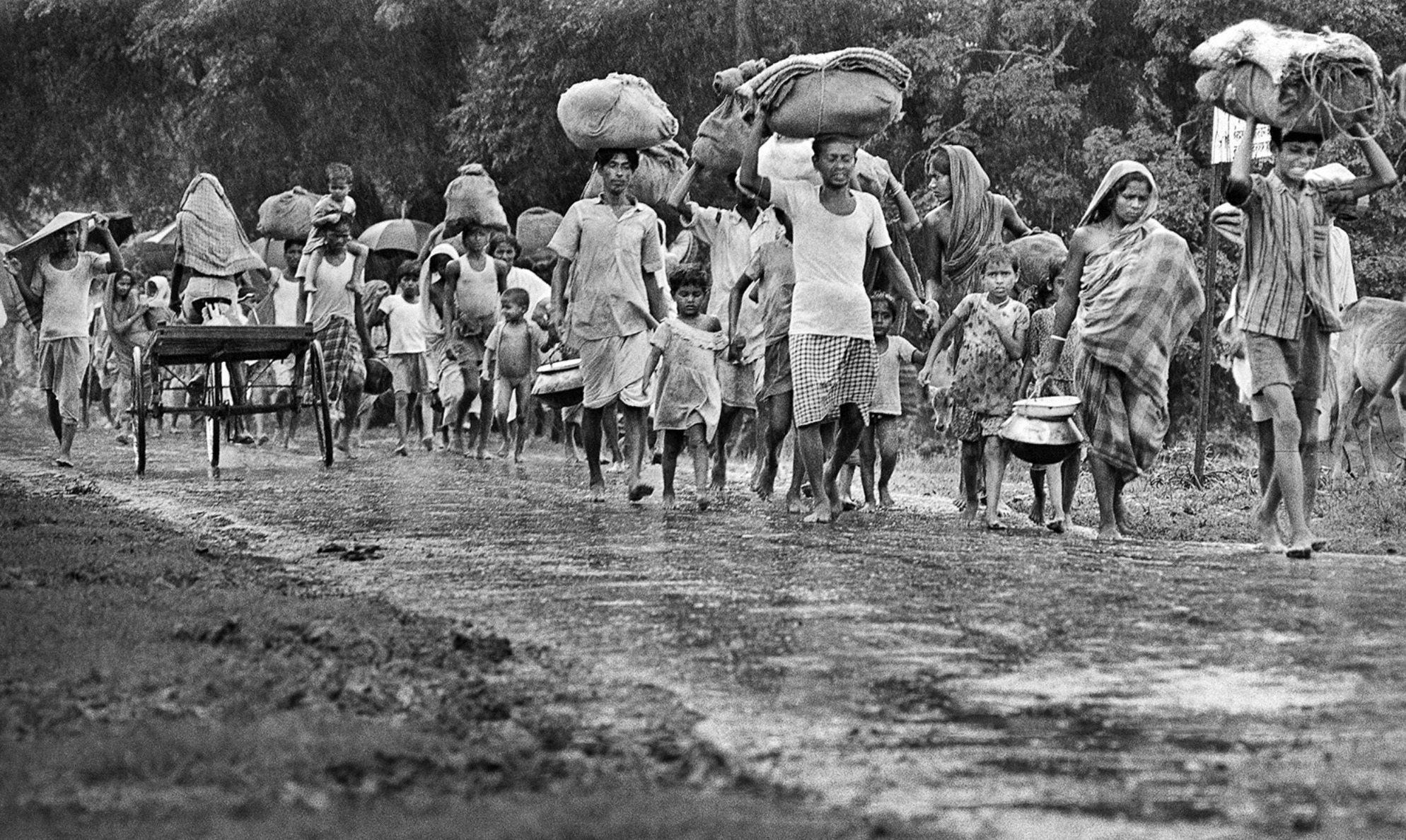
During the early 1970s, Bangladesh, then East Pakistan, was experiencing one of the worst humanitarian crises of the decade. The violence of the Liberation War forced an estimated 10 million refugees to flee to neighboring India [4]. This catastrophe followed the Bhola cyclone, which killed approximately 500,000 people and left countless others displaced [5]. International organizations such as UNICEF mobilized to provide emergency relief, but global attention remained minimal until Harrison and Shankar intervened [6].
The event’s legacy is monumental. It established the template for later global benefit concerts, most famously Live Aid in 1985, which raised $245 million for famine relief in Ethiopia. Bob Geldof himself sought advice from Harrison on managing the financial and logistical complexity of such events [11]. The concert also brought unprecedented global attention to Bangladesh at a time when it was virtually unknown to the Western public, and even raised concern within the Nixon administration.
As Gary Bass documents in The Blood Telegram, Pakistani officials warned their embassies about the danger of “anti-Pakistan” messaging in Harrison’s album, while the U.S. administration feared rising youth interest in the crisis amid its covert geopolitical maneuvering with Pakistan and China [12].
Overall, Harrison’s Concert for Bangladesh marked a turning point in how global crises were communicated through art and celebrity influence. It not only raised vital funds but also transformed Bangladesh’s visibility on the world stage, establishing a model for humanitarian activism that continues to shape benefit concerts today [13].
References:
Bass, Gary. The Blood Telegram: Nixon, Kissinger, and a Forgotten Genocide. 2013.
Bhola Cyclone Archive. “Cyclone Mortality Data,” 1970.
Concert for Bangladesh – Event Records. 1971.
Documentary Film Records. Apple Films, 1972.
Geldof, Bob. “Live Aid Oral Histories,” 1985.
Government of India. Refugee Reports, 1971.
Harrison, George. “Bangla Desh,” 1971.
Harrison, George. “Concert For Bangladesh Streaming Now”, n.d. Available:
https://www.georgeharrison.com/george-harrison-friends-the-concert-for-bangladesh-album-now-available-for-streaming-worldwide/
New York Times Archive. “Concert for Bangladesh Legacy Report,” 2021.
Raghu Rai Foundation. “Bangladesh Photo Archive,” n.d. Available: https://raghuraifoundation.org/work/bangladesh/
Shankar, Ravi. Interview on the Concert for Bangladesh, n.d.
Thomson, Andrew. Concert for Bangladesh Retrospective, n.d.
The B-Side (UC Berkeley). “An Unlikely Crossover: George Harrison and Ravi Shankar and Their Fusion Magic,” n.d. Available: https://berkeleybside.com/an-unlikely-crossover-george-harrison-and-ravi-shankar-and-their-fusion-magic/
UNICEF. Donation Records from Concert Revenue, 1971–1972.
UNICEF. Emergency Relief Efforts in East Pakistan, 1971.
[1] G.Harrison. “Concert For Bangladesh Streaming Now”, n.d. Available:
https://www.georgeharrison.com/george-harrison-friends-the-concert-for-bangladesh-album-now-available-for-streaming-worldwide/
[2] G. Harrison, “Bangla Desh,” 1971.
[3] A. Thomson, Concert for Bangladesh Retrospective, n.d.
[4] Government of India, Refugee Reports, 1971.
[5] Bhola Cyclone Archive, “Cyclone Mortality Data,” 1970.
[6] UNICEF, Emergency Relief Efforts in East Pakistan, 1971.
[7] R. Shankar, Interview on the Concert for Bangladesh, n.d.
[8] Concert for Bangladesh — Event Records, 1971.
[9] UNICEF, Donation Records from Concert Revenue, 1971–1972.
[10] Apple Films, Documentary Film Records, 1972.
[11] B. Geldof, Live Aid Oral Histories, 1985.
[12] G. Bass, The Blood Telegram: Nixon, Kissinger, and a Forgotten Genocide, 2013.
[13] New York Times Archive, “Concert for Bangladesh Legacy Report,” 2021.
[14] Raghu Rai Foundation, “Bangladesh,” n.d. Available: https://raghuraifoundation.org/work/bangladesh/
[15] The Berkeley B-Side, “An Unlikely Crossover: George Harrison and Ravi Shankar and Their Fusion Magic,” n.d. Available: https://berkeleybside.com/an-unlikely-crossover-george-harrison-and-ravi-shankar-and-their-fusion-magic/