

Muhammad Ali’s Visit to Bangladesh
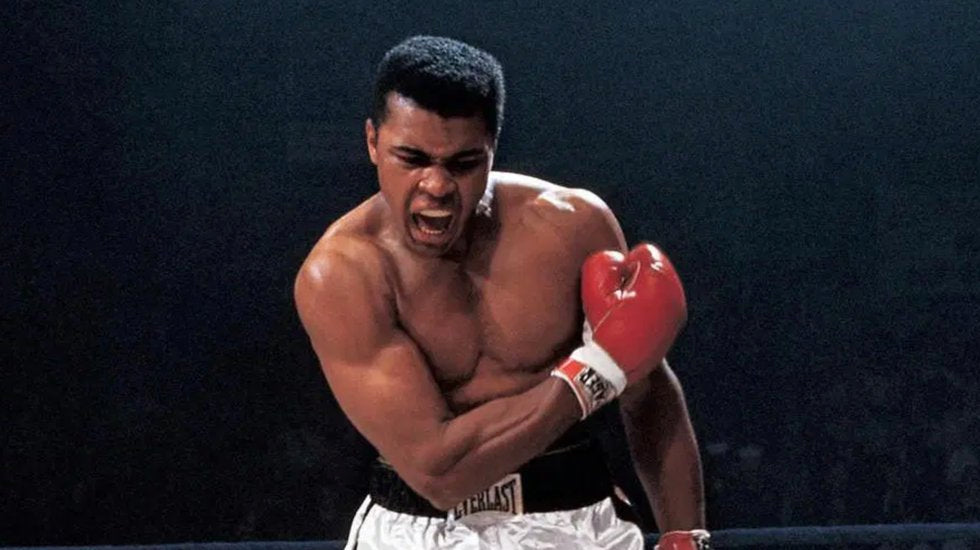
On February 18th 1978, Dhaka had the privilege to host Muhammad Ali, one of the most loved icons in the world. He came to Dhaka on a five-day goodwill tour with his wife, Veronica, his daughter, and parents. He arrived to an audience of around two million well-wishers and then was followed everywhere in his Bangladesh tour by a large crowd. [1]
Context and Purpose of the visit
Muhammad Ali's 1978 visit to Bangladesh is seen as a successful diplomatically orchestrated event, conceived by filmmaker Reginald Massey and a Bangladeshi businessman Ghiasuddin Chowdhury to project the new nation's identity onto the world stage. But it also gave Mohammad Ali a moral boost in his hard time. [2]
After suffering an unexpected loss to Leon Spinks in a 15-round split decision in Las Vegas on February 15, 1978, Muhammad Ali was dealt a serious setback to his career as well as his psyche. The defeat humiliated the boxing hero and damaged his belief in himself. Reginald Massey had to make it clear that within the nation Ali continued to be an iconic and heroic figure even after his defeat. The trip was not cast as a publicity stunt, but rather as a diplomatic mediation mission. It was a chance for one of the most famous people in the world to use that status on behalf of a struggling young nation reaching for acceptance among nations. [3]
Ali had himself come to this viewpoint, as he declared it in his speech: “(I want to) help more people in the world to know about Bangladesh. One of my goals is to greet all my fans, and do all I can to help people in the world to know about Bangladesh. To draw attention to some of the positive things about Bangladesh; so much negative things have been said”. [4]

The presence of Muhammad Ali did a deep national work for Bangladesh. At that point, Bangladesh was rebuilding not just physical infrastructure but also the collective spirit. A global symbol of strength and integrity, the arrival of a global icon gave an unprecedented uplift to the national sentiment and pride. The massive crowds of millions of Bangladeshis that turned out to cheer for him created an intense, collective moment in which people could feel a sense of common identity and morale.
Bangladesh got the help of Ali's star power to ease up onto the world stage. For a nation still finding its way in the world, showcasing a person of such huge international standing put the world on notice. The visit was filmed (Mohammad Ali Goes to East: Bangladesh I Love You) and projected around the world, a good way of leveraging Ali's antidote personality by which to promote the nation in front of an international audience. [5]
The enthusiastic welcome of the crowds conveyed a powerful message to the world about Bangladeshi people. It showed resilience and the capacity to host a major international, albeit challenging, event given what had been happening in the nation.
The visit turned out to be a magnificent expression of the legendary Bangladeshi hospitality and it left Ali duly inspired. He famously told the world, “If you want to go to heaven, come to Bangladesh.”[6] This endorsement from one of the world’s most admired men was a ringing testimony to the soul of a nation that no official PR campaign could match.
‘Fun boxing’ at Palton
Muhammad Ali participated in a lighthearted boxing exhibition at the Dhaka Stadium (now called National Stadium) against a 12-year-old boy named Mohammad Giasuddin. The event was initially conceived as a more serious exhibition. Abdul Halim, also known as 'Mohammad Ali of Bengal' was initially selected to fight with Muhammad Ali. The sports journalists were eager to capture photos of the Ali of Bengal with the real Ali and they got the chance to click a fun pose of them.[7]
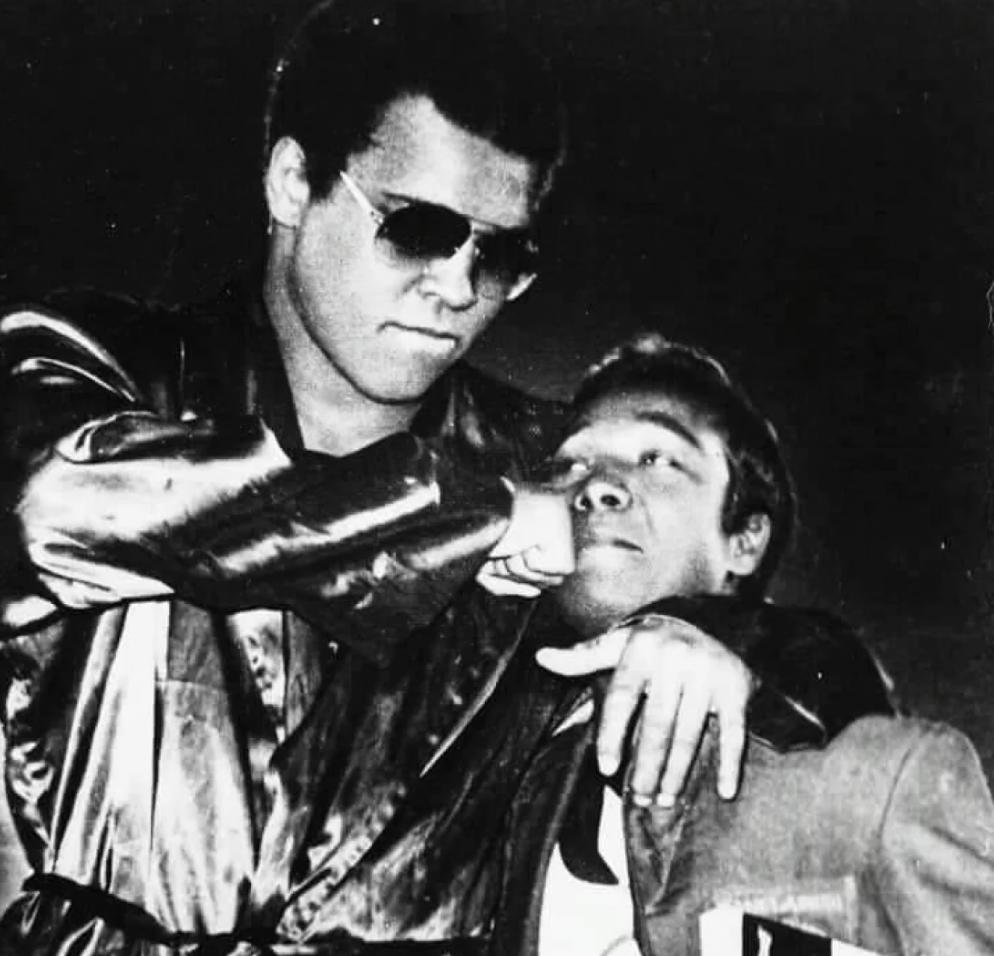
But after Ali’s loss in the Spinks match, he was not in a mood to get on the ring for a real fight, and to keep the fight playful 12 years old Giasuddin was chosen to step into the fighting ring with him.[8]
Ali engaged in the playful match by deliberately falling to the ground after receiving punches from the young Giasuddin, thereby securing a theatrical "knockout" victory for the boy. This act was met with cheers and laughter from the spectators.[9]
Muhammad Ali: A citizen of Bangladesh
Ali was considered as a state guest in Bangladesh and was treated like royalty. During his visit in Bangladesh, he was awarded with an honorary citizenship and a passport by the government of Bangladesh.[10]
For Ali, whose own U.S. passport had been revoked for his refusal to fight in the Vietnam War, this gesture gave him profound moral validation. After receiving the passport Muhammad Ali expressed his gratitude and stated "If I get kicked out of America, I have another home".[11]
Muhammad Ali visited many of the scenic places in Bangladesh and was embraced with admiration and enthusiasm everywhere. He visited the Sundarbans, world famous mangrove forest and tiger preserve. He was also taken to see the tea gardens of Sylhet and the lakeside town of Rangamati.[12]
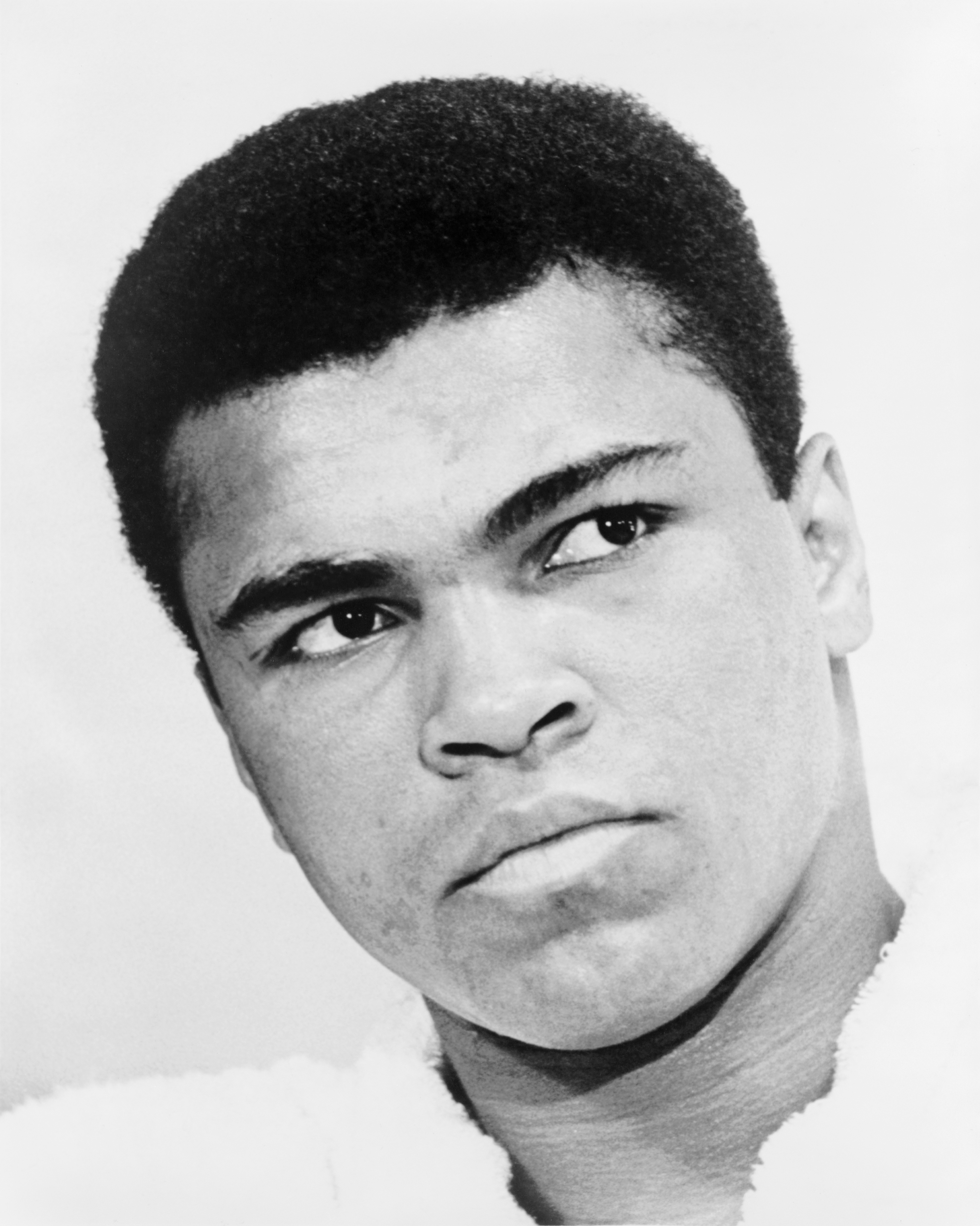
Ali spent time at the hilltop circuit house in Cox's bazar. Though he stayed there for a couple of hours, people considered him as their companion and showered their love towards him. He was gifted a piece of land in Cox's Bazar by a local freedom fighter, Akhtar Newaz Khan Babul. Ali was emotionally moved and expressed his willingness to build a 'dream home' there one day.[13]
This dream was never realized as there were legal complications to transfer the land immediately. Even though Muhammad Ali stated that he wanted to build that home on his own time, that time never came, and now there is a school built on that land.[14]
Visit Closure
The visit of Muhammad Ali ended with a dinner where Sabina Yasmin, a famous singer of Bangladesh, sang 'Ali Ali', a song attributed to Muhammad Ali. The hospitality of Bangladesh touched Ali and that was mirrored in his words. "We are in heaven over here. You want paradise, come to Bangladesh".[15]
The National Boxing Stadium of Bangladesh in Paltan was named after Muhammad Ali. It was inaugurated at the end of Ali’s five-day trip. [16] Of immense significance for both Ali and Bangladesh, his visit left a profound legacy. It was an experience of a lifetime for millions of Bangladeshis. Muhammad Ali did not merely leave footmarks on the country; he left an indelible imprint on its collective memory.
References
https://thenewinquiry.com/muhammad-ali-we-still-love-you/
https://www.dhakatribune.com/sport/other-sports/207231/when-muhammad-ali-of-bengal-met-the-real-one
https://www.heavyweightboxing.com/post/muhammad-alis-memorable-visit-to-bangladesh
https://www.tbsnews.net/sports/when-muhammad-ali-came-dhaka-210457
https://www.thedailystar.net/shout/echoes/muhammad-ali-citizen-bangladesh-1236751
https://www.thedailystar.net/tags/muhammad-ali-memory-coxs-bazar
https://www.theguardian.com/sport/2016/jun/09/muhammad-ali-obituary-letter
[1] https://www.tbsnews.net/sports/when-muhammad-ali-came-dhaka-210457
[3] https://www.theguardian.com/sport/2016/jun/09/muhammad-ali-obituary-letter
[4] https://thenewinquiry.com/muhammad-ali-we-still-love-you/
[5] https://thenewinquiry.com/muhammad-ali-we-still-love-you/
[6] https://thenewinquiry.com/muhammad-ali-we-still-love-you/
[7] https://www.dhakatribune.com/sport/other-sports/207231/when-muhammad-ali-of-bengal-met-the-real-one
[8] https://www.dhakatribune.com/sport/other-sports/207231/when-muhammad-ali-of-bengal-met-the-real-one
[9] https://www.thedailystar.net/shout/echoes/muhammad-ali-citizen-bangladesh-1236751
[10] https://www.thedailystar.net/shout/echoes/muhammad-ali-citizen-bangladesh-1236751
[11] https://thenewinquiry.com/muhammad-ali-we-still-love-you/
[12] https://www.tbsnews.net/sports/when-muhammad-ali-came-dhaka-210457
[13] https://www.thedailystar.net/tags/muhammad-ali-memory-coxs-bazar
[14] https://www.thedailystar.net/tags/muhammad-ali-memory-coxs-bazar
[15] https://www.heavyweightboxing.com/post/muhammad-alis-memorable-visit-to-bangladesh
[16] https://www.dhakatribune.com/sport/other-sports/207231/when-muhammad-ali-of-bengal-met-the-real-one