

Introduction
Long before a Bengali child learns to write their name, they learn something much more complicated: that they have more than one.
This realization rarely arrives with ceremony. No one sits you down and explains it. It happens abruptly, usually at school, when a teacher calls out a name and you look around the room to see who is being addressed, only to realize, with some alarm, that it is you. Thus unfolds your lifelong lesson in living between identities.
In a Bengali person's life, a name functions less as a single label and more as an entire system. It comes in pairs. One name is meant to be written down whereas the other name is meant to be spoken. One is built for history and the other is built for love.
Bhalo Nam
The bhalo nam (ভালো নাম), literally the 'good name', is the name that is cooperative with modern, everyday society. It is "for identification in the outside world" [3]. It submits politely to forms, databases, certificates, hospital wristbands, and eventually, if tradition has its way, your gravestone. It is the name that will outlive you, circulating long after the person it once referred to has left the world. This is the name institutions prefer and it was colonial bureaucracy that helped cement its importance. British administrative systems demanded standardized, 'pronounceable' names that could be written once and used everywhere. This led to Bengali surnames being compressed to accommodate English pronunciation, reducing names like Bandyopadhyay to Banerjee, among many others [1].
Even after those historical pressures, the bhalo nam remains vulnerable whenever it moves beyond its familiar environment. Mispronunciations, shortenings, and anglicizations (on top of those imposed by history) can strip the name of its nuance. When that happens, the identity attached to the bhalo nam begins to feel distorted, even flattened, outside its original context. Yet, because it exists officially, the bhalo nam endures; it is no coincidence that history remembers the bhalo nam quite easily.
Dak Nam
The dak nam (ডাক নাম), or 'calling name', does not care to be remembered and ends up living an entirely different life. It is not written down, nor is it meant to be. It has no paperwork because it exists mainly by mouth. It is spoken in kitchens, hallways, phone calls, and half-asleep conversations conducted across rooms. It is the name used when someone is calling you home, scolding you, or asking if you have eaten yet.
Because the dak nam exists only in these private, everyday spaces, it rarely encounters the pressures that affect the bhalo nam. It is shielded from mispronunciations, anglicizations, and other distortions imposed by strangers or institutions that may attempt to 'standardize' it. Those who call you by your dak nam already know its sounds, its rhythm, so there is no need to simplify it for convenience.
This is intentional. When families back then faced pressures of colonial bureaucracy, the bhalo nam had to bend; it was standardized, written and made 'pronounceable' for schools, courts, and the outside world in general.. The dak nam, by contrast, slipped inward. It stayed hidden in homes, beyond the reach of clerks and strangers. Because how can you misfile or mispronounce a name if it did not even exist on paper? In this sense, the dak nam is a cultural protector, guarding against people who demanded simplicity for their monolingual language practices.
Some of the monolingual readers of this article might assume that the dak nam is just a nickname and while calling it a "nickname" may be correct in translation, it fundamentally distorts its meaning. It "isn't just a name-shortening or a funny inside joke. It's basically an official nickname" [2]. Nicknames, at least in English, are optional. They can be chosen, they can be discarded, they can be curated.
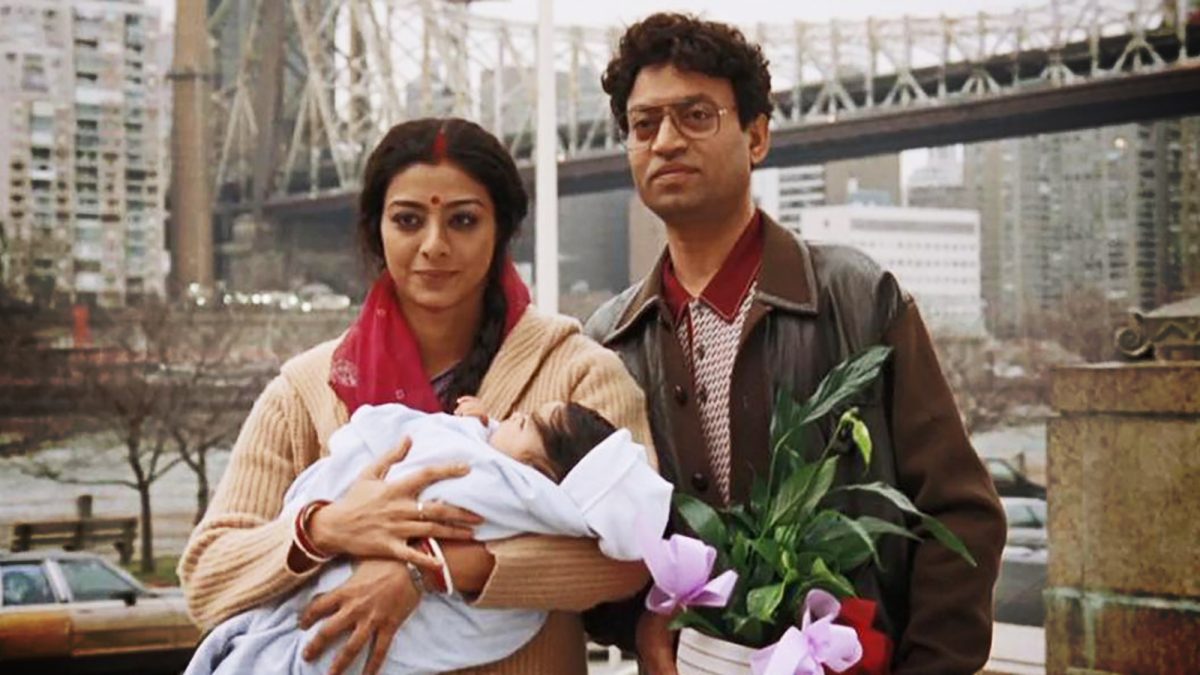
A dak nam does not offer this luxury. You do not select it and if anything, you usually acquire it before you even grow a voice to object to it. It emerges organically, be it through affection, mispronunciation, habit, or due to the sheer will of the circumstance. As Lahiri puts it, the dak nam is "frequently meaningless, deliberately silly, ironic, even onomatopoetic" [4].
And more often than not, it has no significance outside the relationship that sustains it. And that right there is the key part to understanding dak nam.
Dak nam is not a possession, but rather, it is a relationship. And like all relationships, it is mortal.
A dak nam survives only as long as someone remains to say it. When the parents are gone, the aunts are gone, and the childhood friends forget how it sounded or grow out of their habit of making fun of your dak nam, it disappears entirely. No archive or ancestry website can recover it. It vanishes without residue. And much like the ironic love of Bengali parents, the name most closely associated with love ironically leaves the least evidence behind.
Some people might fear this impermanence, worrying about being forgotten. They might suggest that they could simply publicize their dak nam to preserve it. But these loopholes and strategies misunderstand what the dak nam is. As one writer reflects, "My mother named me Ihaa. She also made me Ihaa. That's who Ihaa was, a loved and adored child" [5]; when she later tried to have others use the name, the intimacy could not be replicated. You cannot just transfer a dak nam into a new setting and also have it retain its initial weight. Without the people who have lived a history with you, the dak nam loses its amity.
Divided
As paradoxical as it may seem, this split between bhalo nam and dak nam does create a kind of structure.
Growing up with both a bhalo nam and a dak nam means learning, early on, that identity is dependent on situation and context. The bhalo nam trains you on how to present yourself, how to be evaluated, corrected, recorded and so on and so forth. The dak nam, by contrast, teaches you how to exist privately, among those closest to you. In that way, the bhalo nam essentially becomes an armor and the dak nam becomes a mirror.
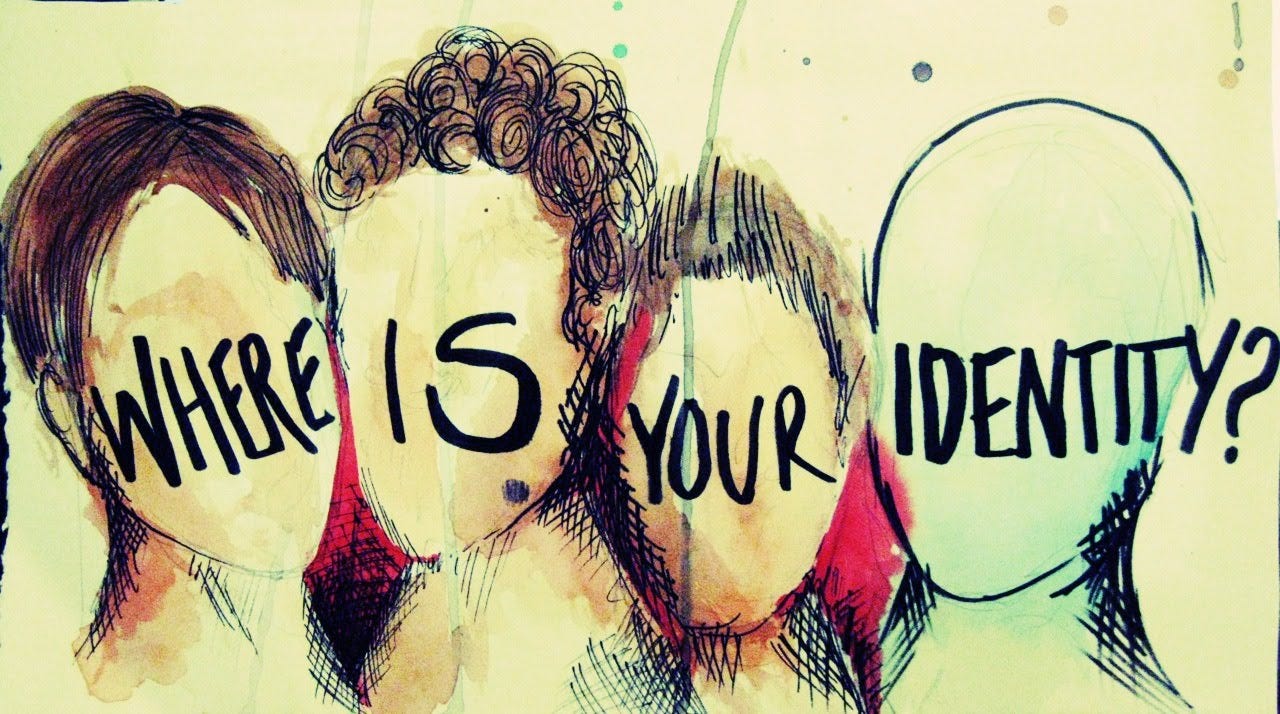
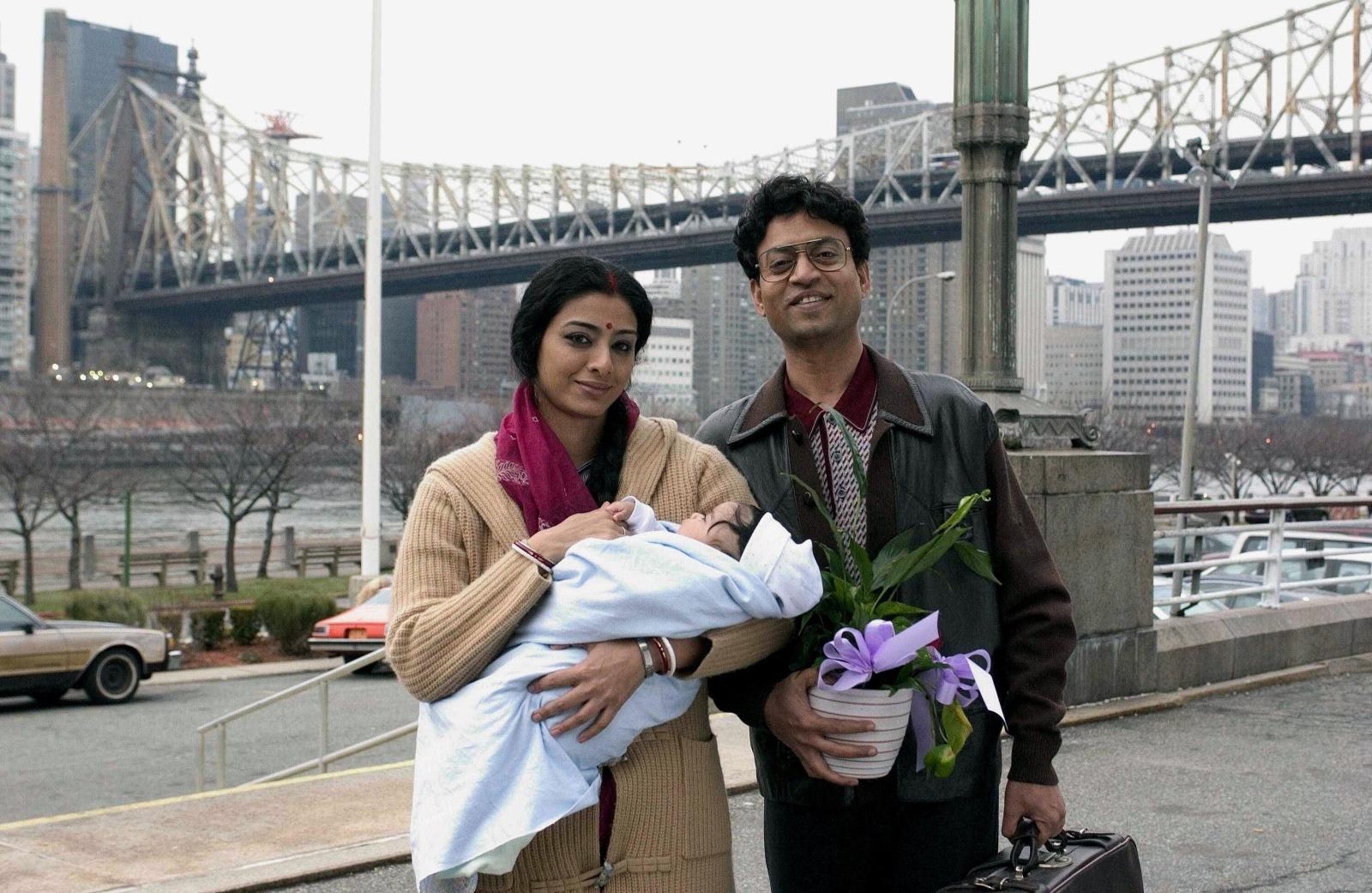
Learning to shift between the two is a kind of social literacy, a low grade kind of code-switching perhaps. You learn when to answer to which version of yourself, how to shift between the public and the private, and how to carry the weight of both identities simultaneously. In the diaspora, this skill becomes practical and painful at once: choosing which name to introduce in a new place is a choice about how much of yourself you want legible, and to whom. Even in its difficulty, this becomes "almost too perfect a metaphor for the experience of growing up as the child of immigrants" [6]. These lessons that the bhalo nam and dak nam teaches ultimately extend beyond just language and into the way relationships and society shape who we are, and more importantly who we are for.
As you inch towards the end of this article, I can only hope to have successfully conveyed the unusual lesson that the dak nam's fleeting presence teaches: some things are meaningful precisely because they are ephemeral. Its impermanence is not a flaw nor is it a failure or loss, it is its purpose, which is to be experienced rather than preserved. And when the dak nam does vanish, it has fulfilled its role, leaving behind proof that love does not always need to be recorded to be real.
References
[1] BBC Learning English. (2023, August 31). The stories behind our names (Episode 230831) [Audio/video]. BBC. https://www.bbc.co.uk/learningenglish/oromo/features/6-minute-english_2023/ep-230831
[2] Chakravorty, D. (2021, April 10). Dak nam: The lifelong nickname. Medium. https://tennchant.medium.com/dak-nam-the-lifelong-nickname-2b039c3dacb1
[3] Dey, M. (2017, October). Title of article. Pratidhwani: The Echo: A Peer-Reviewed International Journal of Humanities & Social Science, 6(2), 172–181. https://www.thecho.in/files/21.-Madhabi-Dey.pdf
[4] Lahiri, J. (2003). The namesake. Houghton Mifflin Harcourt.
[5] Mohan, I. (2024, October 6). What's in a name? Michigan in Color, The Michigan Daily. https://www.michigandaily.com/michigan-in-color/whats-in-a-name-2/
[6] Times News Network. (2007, April 8). I have somehow inherited a sense of exile. The Times of India. https://timesofindia.indiatimes.com/bangalore-times/i-have-somehow-inherited-a-sense-of-exile/articleshow/1876012.cms