

Bengali Harlem: Migration, Memory, and the Making of a Diaspora
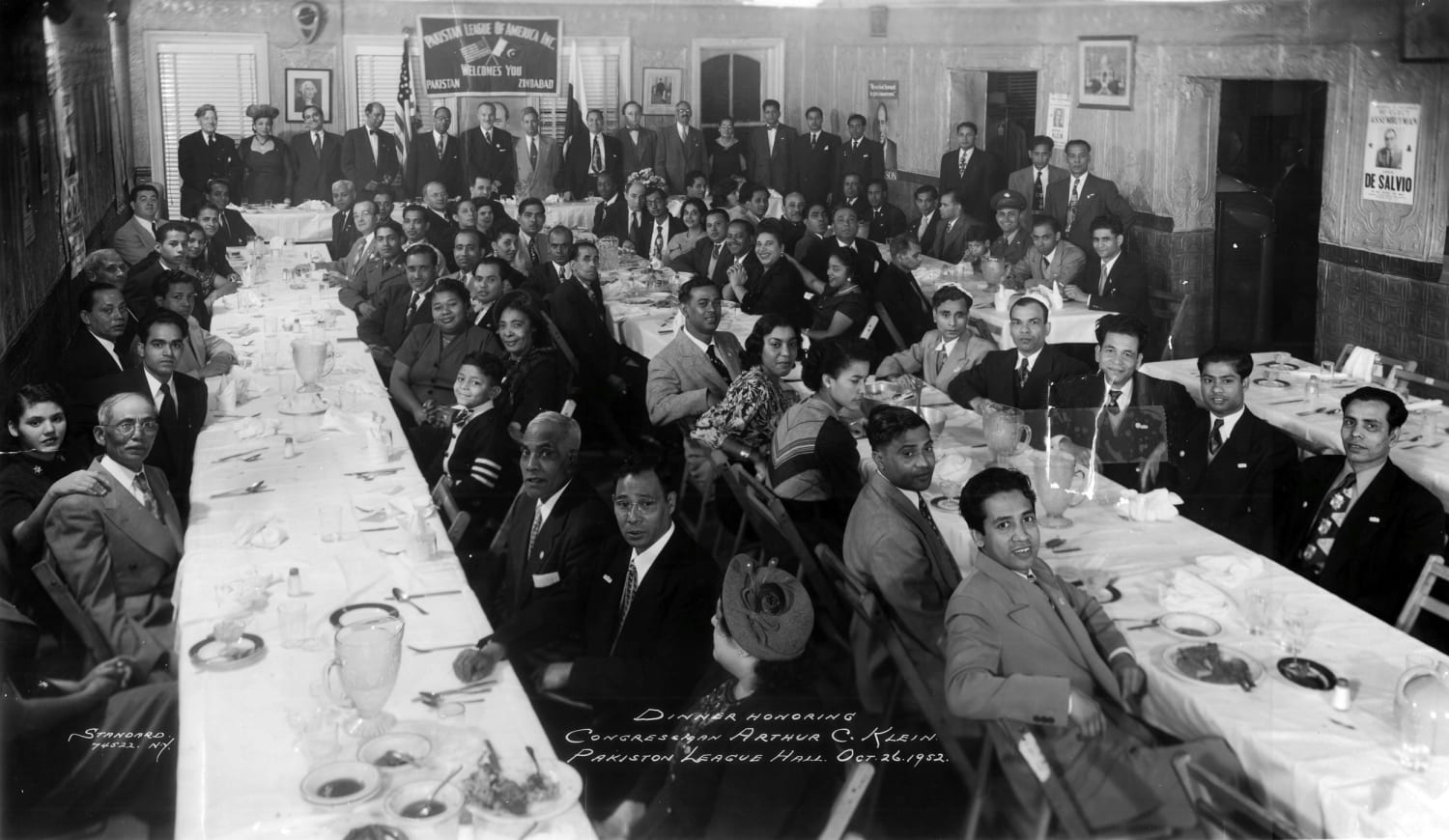
In the early 20th century, before New York became home to one of the largest Bengali diasporas in the United States, small communities of South Asian sailors, peddlers, and workers quietly carved out spaces for themselves in the city. Among them were Bengali Muslims—many from present-day Bangladesh and West Bengal—who formed some of the earliest South Asian enclaves in Harlem and the Lower East Side.[1][2] Their story, largely unknown until recently, reveals a complex tale of migration, survival, and cultural blending that continues to shape the Bengali American identity today.
Early Arrivals: Lascars and Peddlers in New York
The first significant wave of Bengalis in the United States came not as a result of mass immigration, but through lascars—South Asian sailors employed on British merchant ships. Thousands of lascars passed through American ports between the late 1800s and early 1900s.[1] Some jumped ship or overstayed, seeking better opportunities than the harsh working conditions they faced aboard colonial vessels.[1][3]
Others arrived as peddlers, selling textiles, perfumes, and small imported goods across East Coast cities. In New York, these travelers found affordable lodging and community in multiethnic neighborhoods, especially Harlem and the Lower East Side.[2][3]
New Orleans: One of the First Bengali Gateways to the U.S.
Before Harlem became a center of early South Asian settlement, New Orleans served as one of the first American arrival points for Bengali sailors and peddlers. As a major Gulf Coast port in the late 19th and early 20th centuries, the city frequently received British steamships crewed by lascars—South Asian seamen including many Bengalis from Chittagong and Calcutta.[1] Some of these sailors jumped ship, overstayed, or were discharged in New Orleans, entering local labor markets just as they did in New York and Baltimore.[1][3] Others joined the peddler circuits, traveling through Louisiana and neighboring states selling embroidered goods, scarves, and perfumes—an economic pathway documented for early South Asian migrants across the East and Gulf Coasts.[2]
While communities in New Orleans were smaller and more dispersed than in New York, the city functioned as an important early node in the migratory paths that later led Bengali workers to northern cities like New York, Detroit, and Chicago.[1][3] These southern beginnings highlight how the Bengali presence in the U.S. was regional and mobile, shaped by maritime routes, racialized labor systems, and shifting opportunities across the country.
Life in Harlem: Interracial Households and Community Networks
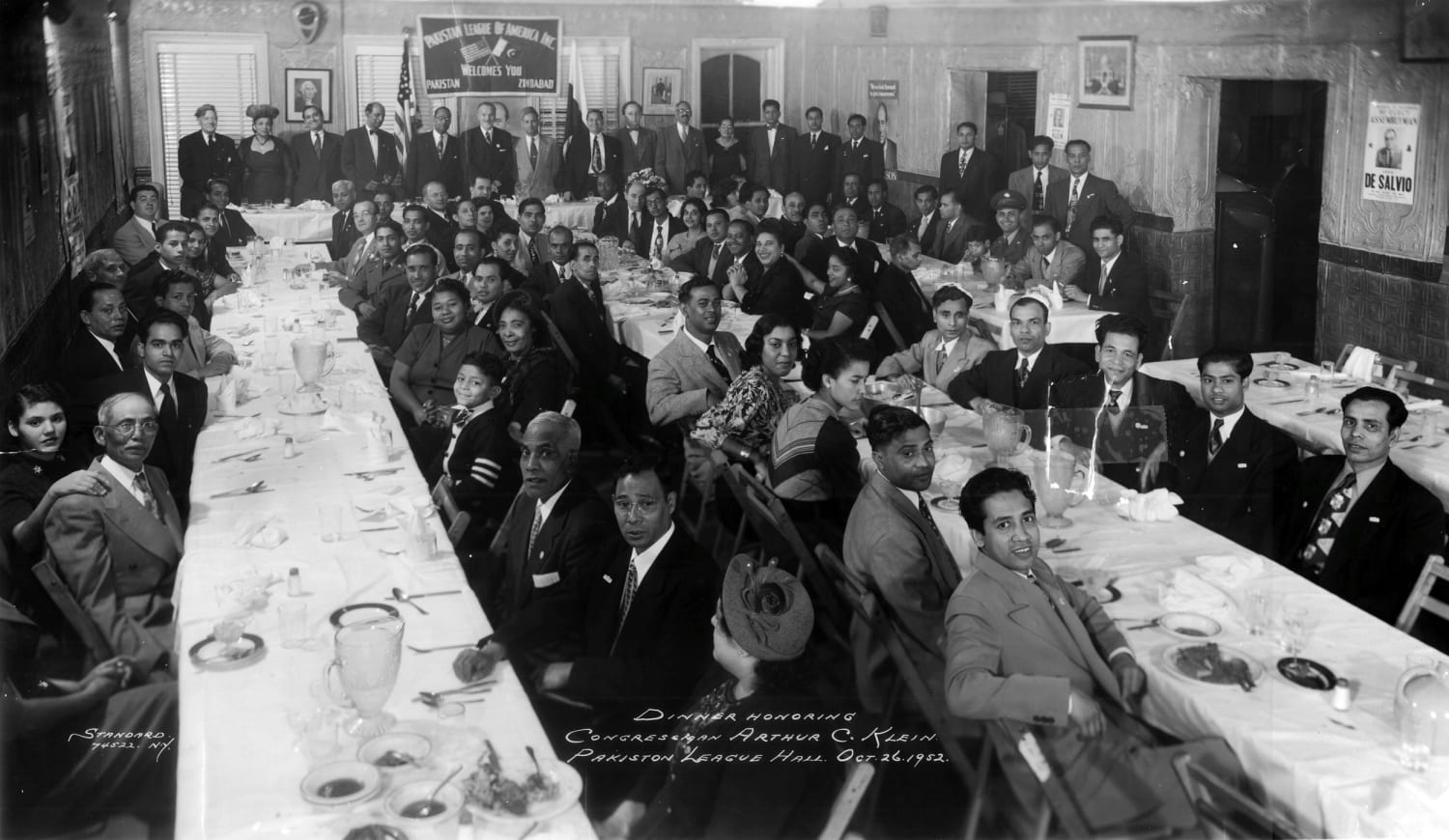
Harlem in the 1910s–1940s was a vibrant mosaic of Black Americans, Afro-Caribbeans, Puerto Ricans, and Jewish communities. Bengali Muslim migrants—mainly single men—formed interracial households, often marrying African American and Puerto Rican women.[2][4]
These families created hybrid cultural traditions, such as blending Bengali African American cooking, integrating Islamic practices with local custom, or establishing multilingual, multiethnic families. This early Bengali diaspora developed tight-knit support networks, helping new arrivals find housing, informal work, and community.[2]
Work, Survival, and Everyday Life
In New York, many Bengalis worked as peddlers who sold goods from pushcarts, cooks or waiters in restaurants, or factory laborers in Manhattan and Brooklyn.
Their lives were shaped by economic struggle, racial hierarchies, and restrictive immigration laws. Because formal pathways to citizenship were blocked for most Asian migrants until 1946, Bengali men built informal economies and family networks to survive.[1][4]
Community Formation: Religion, Ritual, and Belonging
Despite their small numbers, early Bengali migrants maintained religious and cultural practices, hosting informal gatherings for prayer, meals, and festivals. Some African American spouses converted to Islam, contributing to the development of Black Muslim communities in the early 20th century.[4][5] Long before large mosques stood in Queens or Brooklyn, Bengali migrants were practicing Islam in living rooms, rented halls, and multiethnic households throughout Harlem.
After 1965: A New Wave of South Asian Migration
The Immigration and Nationality Act of 1965 dramatically changed the landscape of South Asian migration to the United States. For the first time, larger numbers of Bangladeshis could immigrate legally, arriving as students, professionals, and family-sponsored migrants.[5][6] This wave transformed neighborhoods such as Jackson Heights, Astoria, and Kensington, which today host some of the largest Bangladeshi communities in the nation. Yet the stories of Bengali Harlem remind us that Bangladeshi presence in America did not begin in the 1970s—it began in the early 1900s with sailors, peddlers, interracial families, and migrants navigating the margins of the city.
Legacy: Why Bengali Harlem Matters Today
Today's Bangladeshi American identity is shaped not only by recent migration but by a hidden history of early South Asian settlers. Their lives illuminate:
- Early Afro–South Asian connections
- Interracial family histories
- The global pathways created by colonial labor
- The long-standing presence of Muslims and Bengalis in American urban life[2][4]
Rediscovering this history connects today's diaspora communities to a deeper, richer story that spans oceans, languages, and generations.
References
[1] Singh, N. (2012). Lascars and Colonial Oceanic Labor. International Review of Social History, 57(S20), 105–125.
[2] Bald, V. (2013). Bengali Harlem and the Lost Histories of South Asian America. Cambridge, MA: Harvard University Press.
[3] Koshy, G. (2016). South Asian American Mobility and Early Migration. South Asian Diaspora, 8(1), 1–17.
[4] Abdullah, Z. (2013). Islam, Race, and Community in Early Harlem. Journal of African American History, 98(1), 48–70.
[5] Leonard, K. (2012). Muslim Communities in Early America. The Muslim World, 102(2), 254–272.
[6] Islam, N. (2019). Bangladeshi Diaspora in the United States: Identity and Integration. New York: Routledge.
Thumbnail: https://www.nbcnews.com/news/asian-america/bengali-harlem-documentary-explores-early-wave-south-asian-immigration-n1003781